
Weight Loss
Why Are Many Asian Populations Slimmer? A Medical Look at the Factors Behind Lower Obesity Rates
Written by Dr. James Krystosik · Published December 13, 2025 · Updated September 23, 2026
Functional Medicine Physician, Chiropractor, Author, Podcast Host · In practice since 1986
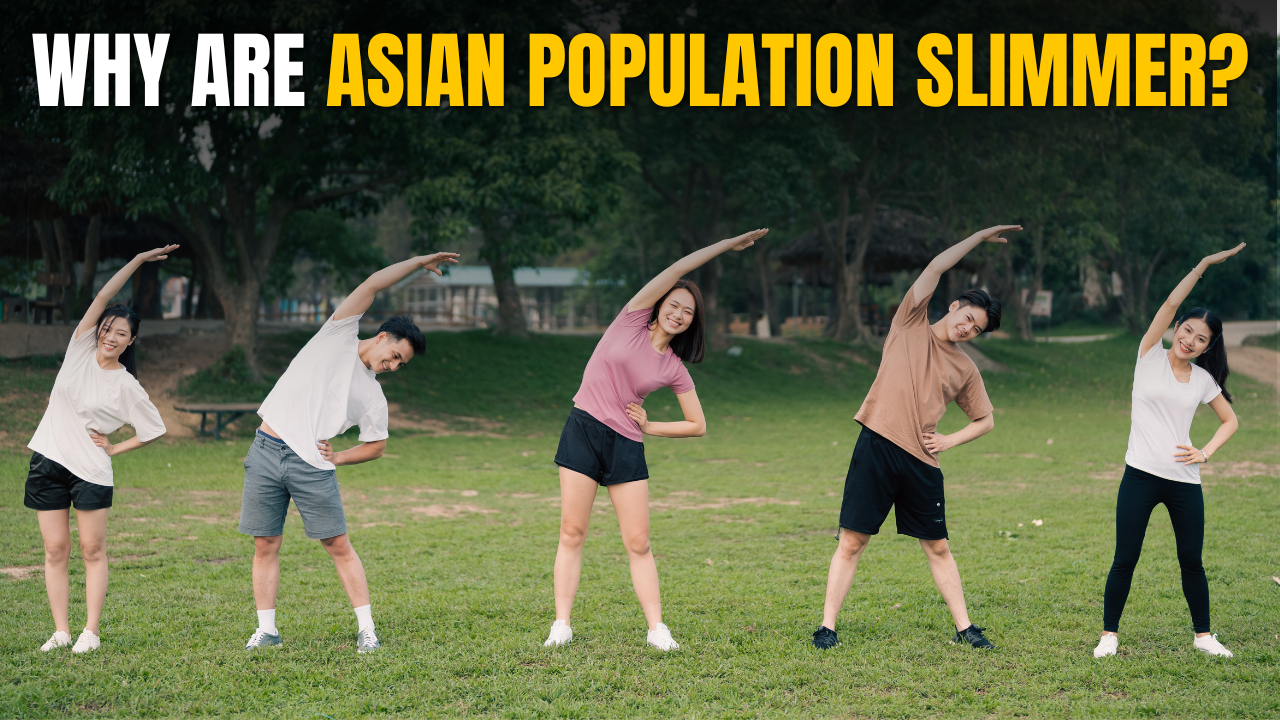
Dr. J’s quick answer: No racial or ethnic population has one body type, and “Asian” includes diverse countries and cultures. Population differences reflect a mix of food systems, activity, economics, environment, genetics, and measurement—not a simple biological rule.
“Asian populations” includes billions of people across many countries, income levels, food environments, and cultures. I do not use ethnicity as a shortcut for an individual patient’s body size or health. Population averages can help us ask better questions, but they cannot tell us what one person eats, how active they are, or whether they have diabetes or cardiovascular risk.
Join GUT RESTORATION COMMUNITY
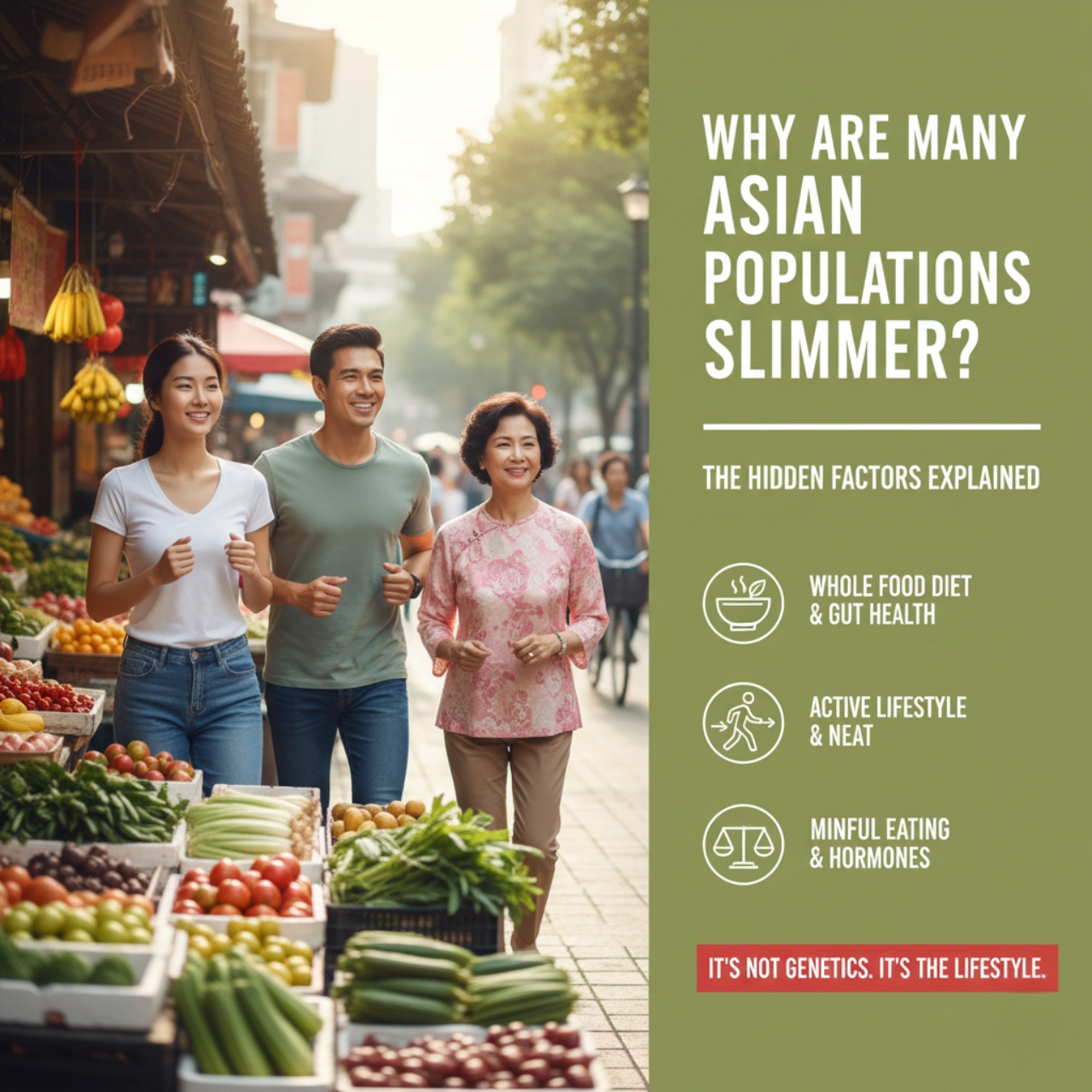
Why Population Averages Differ
Body weight patterns are shaped by food prices and availability, urban design, transportation, work, sleep, income, medications, marketing, cultural norms, and genetics. These factors change over time. Rising obesity rates in many Asian countries show why there is no fixed “Asian metabolism.”
Food Patterns Vary Widely
Some traditional eating patterns emphasize vegetables, legumes, rice or other grains, fish, soy foods, soups, and smaller amounts of highly processed snacks. Those features can support health when the overall diet is adequate and sustainable. But Asian cuisines are not one diet, fermented food is not a weight-loss treatment, and rice or noodles do not automatically cause or prevent weight gain.
What I borrow for patient care is the practical pattern: more minimally processed foods, enough protein and fiber, portions matched to need, and fewer sugar-sweetened drinks and highly processed snacks. I adapt that pattern to the patient’s culture rather than asking them to abandon it.
Daily Movement and the Built Environment
Neighborhoods with safe walking, public transportation, stairs, and nearby services can make movement part of daily life. That matters independently of formal exercise. It is an environmental advantage, not evidence that one culture is more disciplined than another.

BMI Does Not Tell the Whole Story
Some people of Asian ancestry can develop type 2 diabetes or cardiometabolic risk at a lower body mass index. A slimmer appearance therefore does not guarantee metabolic health. Waist measurement, blood pressure, glucose, lipids, family history, sleep, activity, and other clinical information may be more useful than appearance alone.
What I Recommend Instead of Copying a Stereotype
- Build meals around foods you enjoy and can sustain, with adequate protein, vegetables or fruit, fiber-rich carbohydrate, and appropriate portions.
- Make movement easier to repeat by walking, cycling, taking stairs, or breaking up long periods of sitting when safe.
- Check blood pressure, glucose, and lipids based on your age and risk factors—even if your weight looks “normal.”
- Avoid comparing your body with a racial or national stereotype. Genetics, health conditions, medication, sleep, stress, and environment all matter.
My Bottom Line
There is no ethnicity-based weight-loss secret. The useful lesson is that food and movement environments strongly influence health. I focus on changing the factors a patient can safely control while screening for risks that appearance alone can hide.
Dr. J’s evidence-based perspective
In my clinical work, I do not sell patients a single-food, single-device, or single-treatment solution. I look at the complete pattern: nutrition, movement, sleep, stress, medications, medical conditions, muscle mass, and what the patient can realistically sustain.
When to seek medical care
Seek individualized medical advice if weight changes are rapid or unexplained, or if you are pregnant, breastfeeding, living with diabetes, taking weight-affecting medication, or have a history of an eating disorder. Chest pain, fainting, or severe weakness needs urgent assessment.