Weight Loss
How Much Does Alcohol Damage the Gut and Trigger Weight Gain After Age 50?
Written by Dr. James Krystosik · Published February 21, 2026 · Updated September 23, 2026
Functional Medicine Physician, Chiropractor, Author, Podcast Host · In practice since 1986
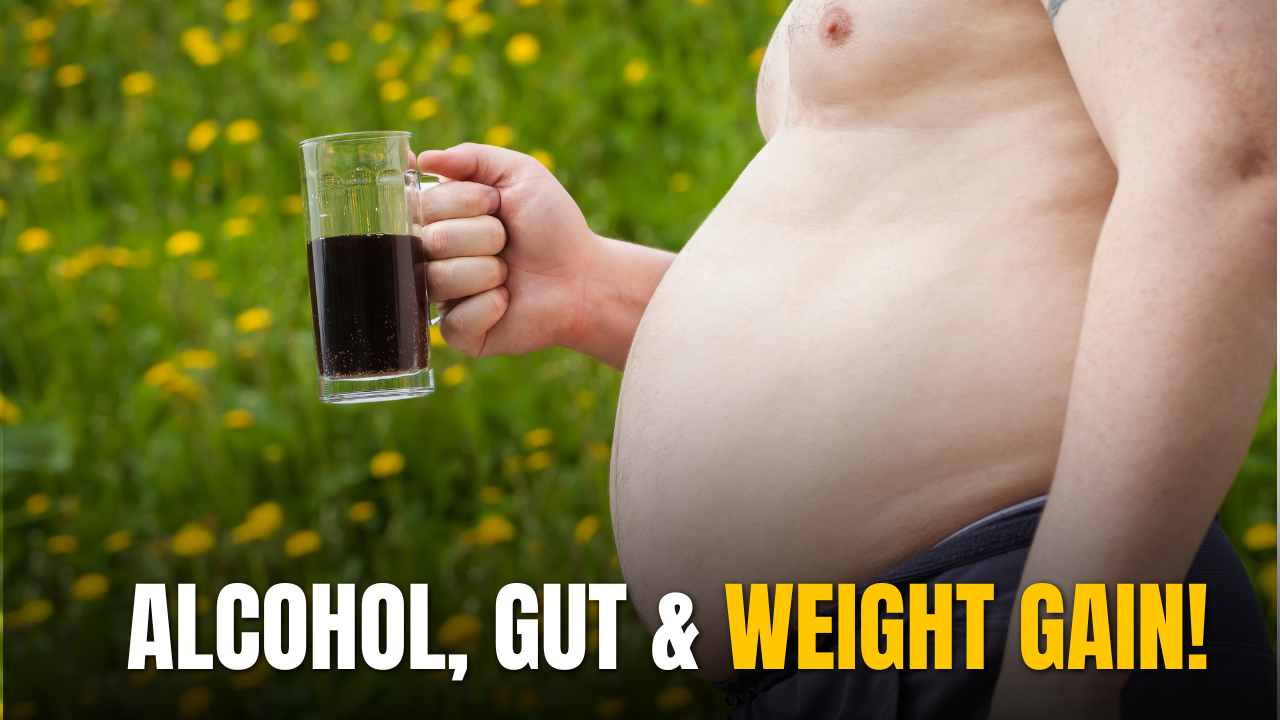
Dr. J’s quick answer: Alcohol can add calories, disrupt sleep, affect appetite, and irritate the digestive tract; those effects often become more noticeable with age. The impact varies by amount, frequency, medications, and health history.
Alcohol is often treated as a minor detail in conversations about weight loss. Carbohydrates are shunned. Fats are debated. Exercise plans are recommended. But alcohol? It’s usually brushed aside—especially if it’s “just a glass of wine” or “only on weekends.”
That leads to an important question:
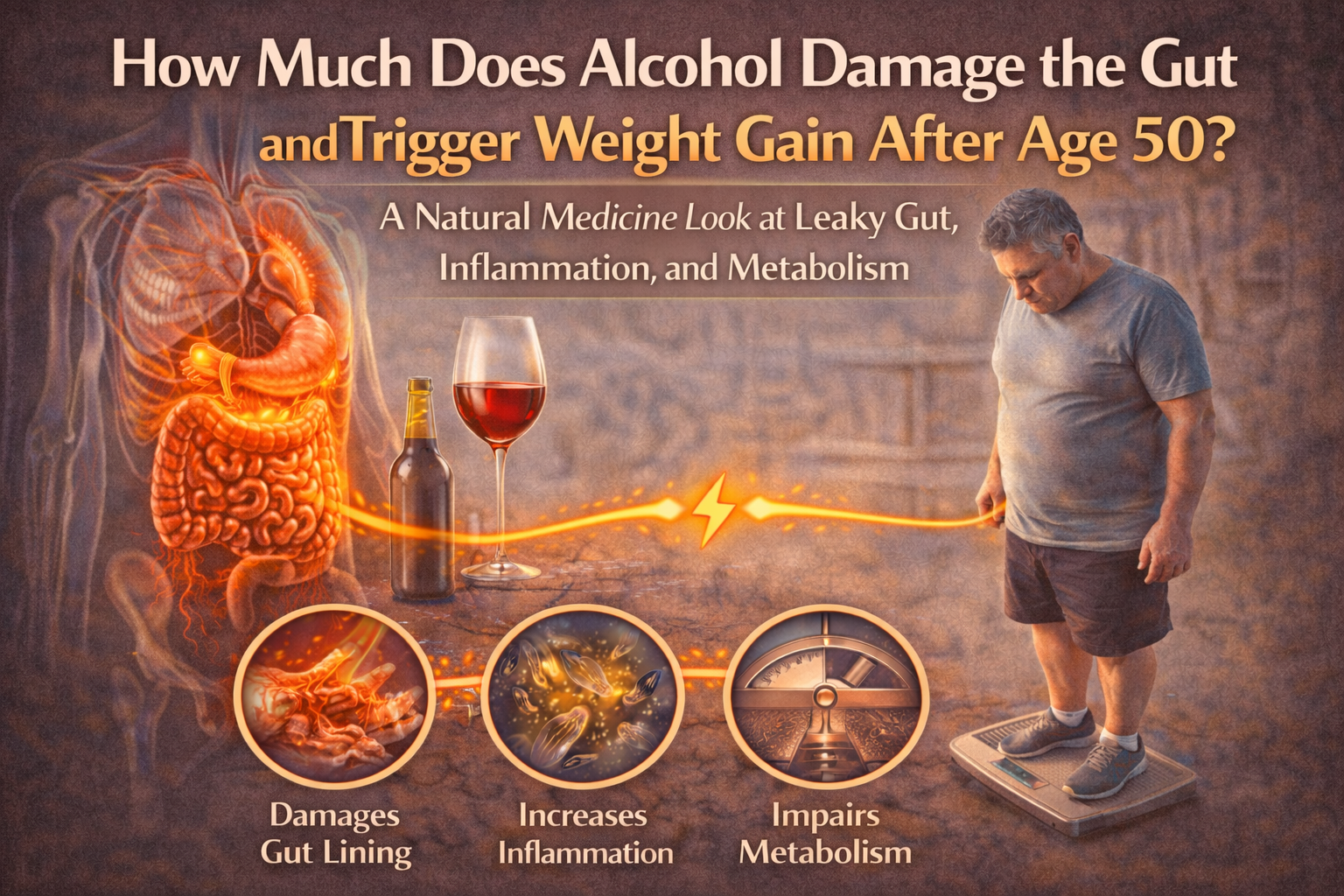
How much does alcohol damage the gut—and could that damage be contributing to weight gain, especially after age 50?
The answer depends on dose, frequency, sex, medications, liver health, sleep, and the rest of the diet. Calories do matter, and so do alcohol’s effects on appetite, food choices, sleep, reflux, and digestive symptoms.
Join GUT RESTORATION COMMUNITY
The Gut Lining and Alcohol
The intestinal barrier helps regulate what moves from the digestive tract into the body. Heavy or chronic alcohol exposure can injure the gastrointestinal tract and liver. That does not mean every glass creates a clinical “leaky gut” syndrome or directly causes fat gain.
Alcohol has been shown in research to:
- Increase intestinal permeability
- Damage the gut lining
- Increase harmful gut bacteria
- Increase inflammatory compounds in the bloodstream
Risk generally rises with greater exposure, and individual vulnerability differs. That is why I ask how much, how often, what size the pour is, and whether alcohol interacts with medication or an existing condition.
Alcohol as a Gut Irritant
Alcohol is absorbed and metabolized differently from carbohydrate, fat, and protein. It can irritate the digestive tract, worsen reflux or diarrhea in some people, and add energy without much nutritional value.
This contact can:
- Irritate the lining of the gut
- Disrupt gut bacteria
- Affect appetite, food choices, and sleep
- Add calories that may displace more nutritious foods
With repeated heavy exposure, health risks increase. Weight change, however, still reflects the combined effects of total intake, activity, muscle mass, sleep, medications, and medical conditions—not one inflammation pathway.
Leaky Gut and Weight Gain: What’s the Connection?
After age 50, hormonal changes already make fat loss more challenging. Insulin sensitivity declines. Muscle mass gradually decreases. Recovery slows.
Alcohol may make weight management harder by adding calories, lowering inhibition around food, and disrupting sleep.
Changes in menopause, testosterone, muscle mass, activity, sleep, and medications can also affect body composition after 50. I do not assume belly fat proves gut inflammation.
The Microbiome Factor
Your gut bacteria influence:
- Appetite regulation
- Blood sugar control
- Fat storage
- Immune balance
- Mood
Alcohol can alter the microbiome, particularly with heavier use, but microbiome findings do not let us predict one person’s weight response. I focus first on outcomes we can measure: intake, sleep, blood pressure, liver markers, triglycerides, symptoms, and weight trend.
Alcohol, Sleep, and Hormones After 50
Sleep becomes more of a problem with age. Alcohol may help you fall asleep initially, but it disrupts deep restorative sleep later in the night.
Poor sleep alone:
- Increase hunger hormones
- Reduce insulin sensitivity
- Elevate cortisol
- Slows fat loss
Alcohol compounds these effects.
In addition, alcohol can interfere with growth hormone release during sleep—one of the hormones that supports muscle maintenance and fat metabolism.
After 50, preserving muscle mass is critical. Muscle is your metabolic engine. Anything that interferes with recovery and hormone balance makes fat loss harder.
How Much Alcohol Makes a Difference?
This is where common sense matters.Occasional, moderate alcohol intake does not automatically lead to weight gain. Many people can still maintain a healthy weight while drinking occasionally.
Both quantity and frequency matter, and standard drink sizes are easy to underestimate.
Clinically, alcohol is one of the most common hidden factors in slowing weight-loss after 50. You may have a clean diet. Exercise routinely. But fat loss slows.
When alcohol is reduced, progress may resume because calories fall, sleep improves, late-night eating changes, or symptoms improve. I measure the response instead of assigning one mechanism.
Alcohol Is Not the Enemy—But It Is a Stressor
From a natural medicine perspective, alcohol is not “forbidden.” But it is always a physiological stressor.
Understanding the trade-offs removes guilt and replaces it with awareness.
A Sustainable Approach After 50
If weight loss has stalled and alcohol is part of your routine, consider:
- Taking a time-limited break and tracking sleep, symptoms, intake, and weight
- Reducing frequency rather than eliminating entirely
- Supporting gut health with high-fiber whole foods
- Emphasizing fermented foods and phytonutrient-rich vegetables
- Prioritizing sleep
Some people notice less bloating, better sleep, or easier calorie control. Others need a broader evaluation for weight change or digestive symptoms.
Conclusion: How Much Does Alcohol Affect Gut Health and Weight After 50?
Alcohol affects weight loss more than most people realize—not simply because of calories, but because it can irritate the gut lining, increase inflammation, disrupt sleep, alter microbiome balance, and shift metabolic priority away from fat burning.
Alcohol does not make weight loss impossible, and removing it does not guarantee weight loss. It is one modifiable factor worth testing honestly, especially when sleep, blood pressure, reflux, liver health, or medication interactions are concerns.
To your health and longevity, Dr. James Krystosik
Dr. J’s evidence-based perspective
In my clinical work, I do not sell patients a single-food, single-device, or single-treatment solution. I look at the complete pattern: nutrition, movement, sleep, stress, medications, medical conditions, muscle mass, and what the patient can realistically sustain.
When to seek medical care
Seek individualized medical advice if weight changes are rapid or unexplained, or if you are pregnant, breastfeeding, living with diabetes, taking weight-affecting medication, or have a history of an eating disorder. Chest pain, fainting, or severe weakness needs urgent assessment.