
Weight Loss
Jowls After Weight Loss: What Changes and What Can Help
Written by Dr. James Krystosik · Published November 25, 2025 · Updated September 23, 2026
Functional Medicine Physician, Chiropractor, Author, Podcast Host · In practice since 1986
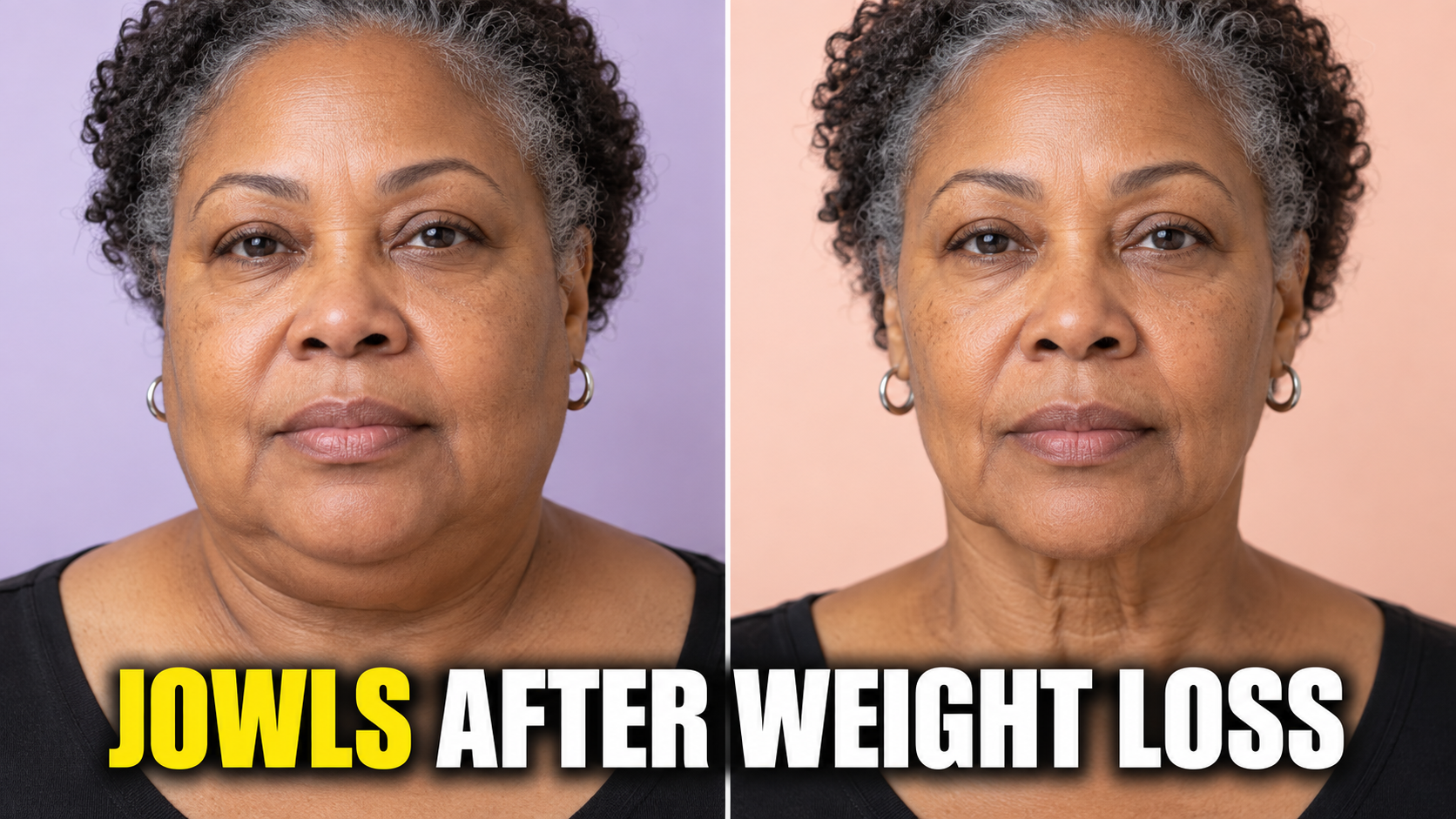
Dr. J’s quick answer: Weight loss may reduce facial fullness and make pre-existing skin laxity more visible, but outcomes vary with age, genetics, sun exposure, smoking, and the amount and pace of loss. No food or supplement can guarantee that loose skin will tighten.
Have you looked in the mirror after shedding unwanted pounds, only to wonder, “Why do I look older?” You’re not alone. Many people celebrate weight loss victories, only to be caught off guard by a new concern: sagging jowls.
Let’s talk about what is changing and what you can realistically do about it.
Join GUT RESTORATION COMMUNITY
What Are Jowls and Why Do They Sag?
Jowls refer to the sagging skin just below your jawline. As we age, our skin loses elasticity, collagen production slows down, and gravity takes its toll. But here’s the confusing thing—dramatic weight loss (a good thing) can accelerate this process.
Why? Because fat acts like a framework under the skin. When you lose a significant amount of fat, especially in your face, the framework becomes weak. Next, jowls become more noticeable.
There is no single best option for everyone. Time, skin care, nutrition, and resistance training may support overall health, while a dermatologist or qualified cosmetic professional can explain procedures when laxity remains bothersome.
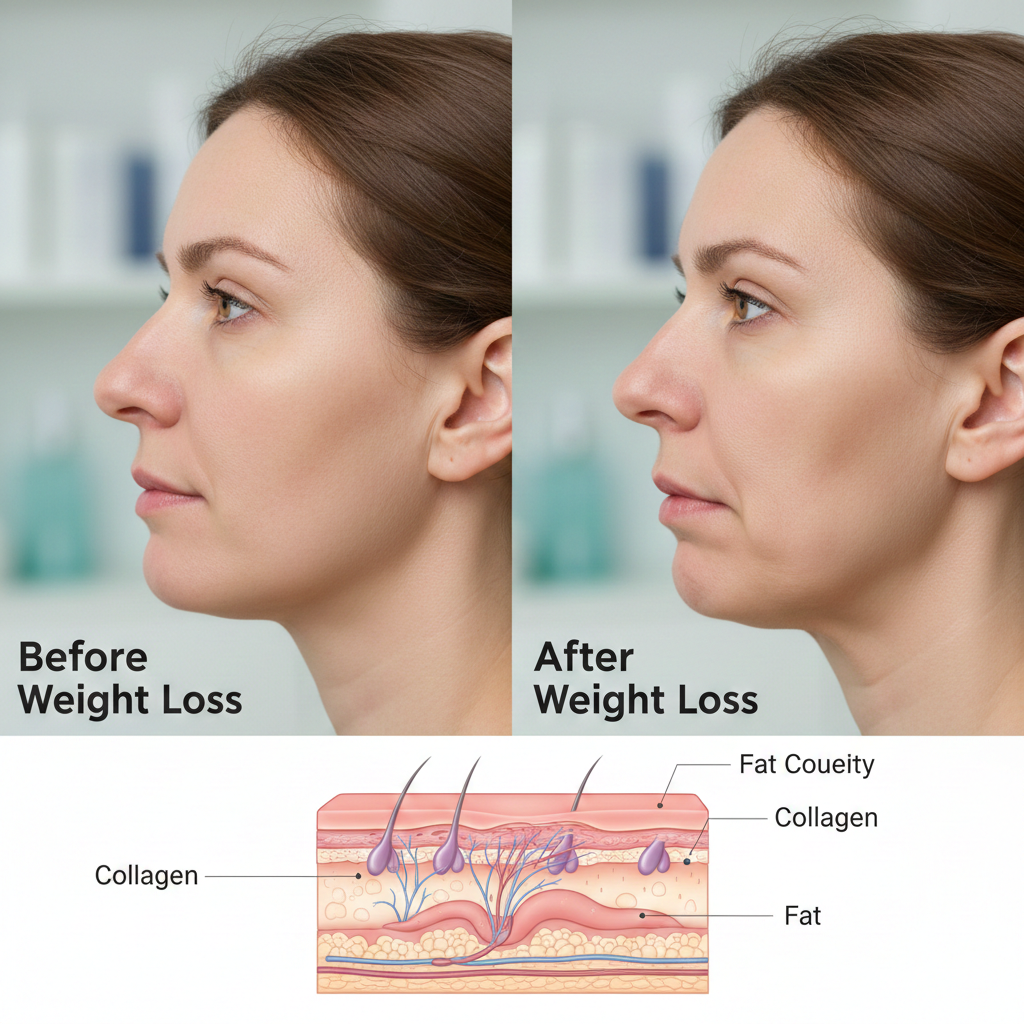
What Shapes the “Before” Picture
Jowls reflect a combination of facial anatomy, age-related collagen loss, genetics, sun exposure, smoking history, weight change, and skin elasticity. Nutrition matters to skin health, but jowls do not begin with “toxins” in the blood or prove that the gut is unhealthy.
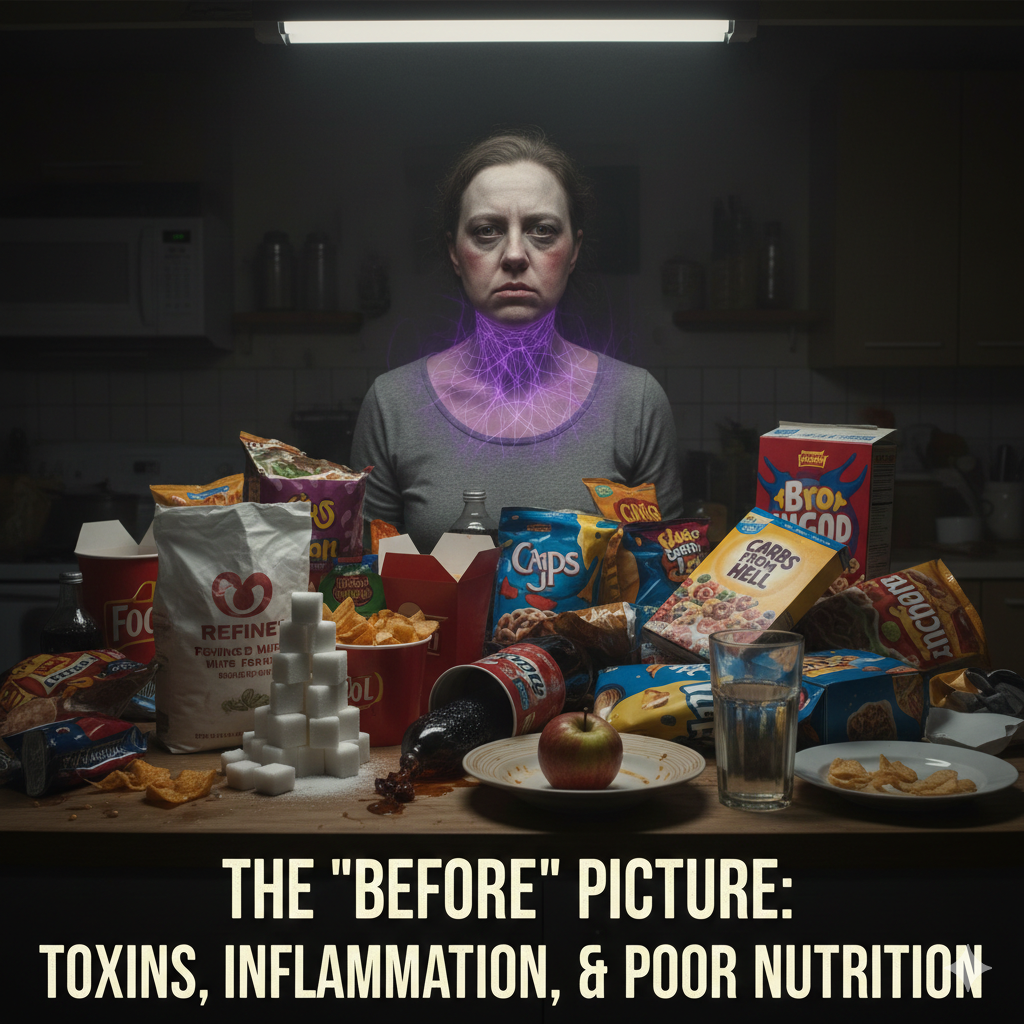
Factors I review include:
- Overloading sugar and refined carbs (“carbs from hell”)
- Inadequate water intake
- Smoking and cumulative sun exposure
- The amount and pace of weight loss
- Nutrient deficiencies, especially in collagen-supporting nutrients like vitamin C, zinc, and silica
The bottom line is that facial aging is multifactorial. No blood test or detox plan can predict exactly how the jawline will change.
The “After” Picture: When Weight Loss Leaves the Skin Behind
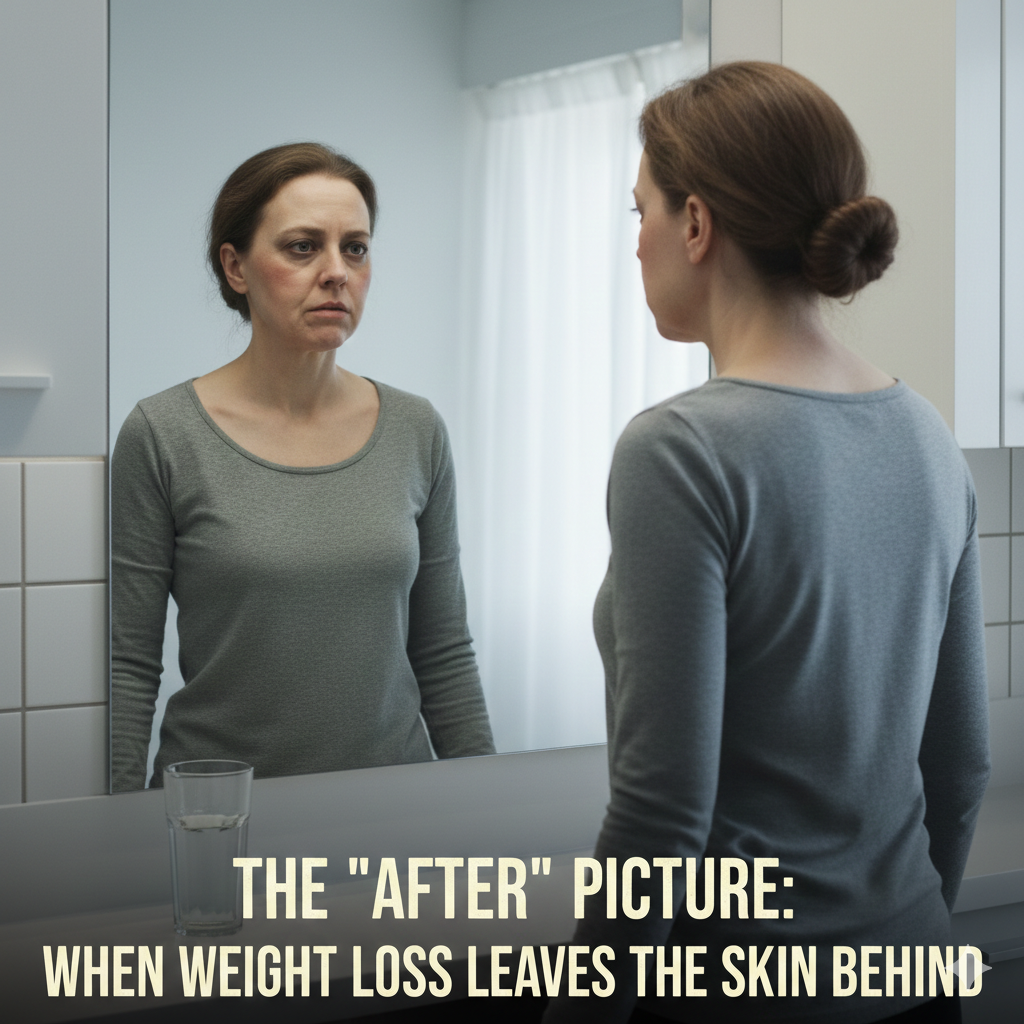
When you lose weight rapidly, especially without a nutrient-dense, anti-inflammatory diet, your skin doesn’t have the building blocks to stay firm. Combined with lowered collagen levels after age 30, and suddenly you’re staring at jowls in the mirror—even though you lost weight and your health is improving.
Healthy habits and cosmetic treatments answer different needs. I explain what lifestyle can reasonably support and when a dermatology or plastic-surgery consultation is the more honest route.
A Practical Plan for Supporting Skin Health
If your jowls are more noticeable after weight loss, give your weight and skin time to stabilize. These steps support health, although they cannot promise to reverse loose skin:
1. Nourish the Skin from Within
Focus on “carbs from heaven”—foods rich in antioxidants and anti-inflammatory compounds:
- Berries
- Leafy greens
- Cruciferous vegetables
- Avocados
- Wild-caught salmon
- Bone broth (a collagen-rich superfood)
- Vegan “Bone Broth” Recipe
Ingredients:
- 1 large onion
- 3 carrots
- 3 celery stalks
- 1 bunch parsley
- 1–2 cups cabbage (for glutamine)
- 1 cup mushrooms (for proline)
- 1 piece kombu or kelp
- 1 tsp sea salt
- 1 tsp turmeric
- 1 tbsp miso (stir in after cooking)
- 1 tbsp Irish sea moss gel
2. Stay normally hydrated
Drink according to thirst and medical guidance. Extra salt or electrolyte products are unnecessary for most people and may be inappropriate with high blood pressure, kidney disease, or heart disease.
3. Be cautious with supplements
Food should cover protein and micronutrient needs first. Collagen supplements may have modest effects on some measures of skin hydration or elasticity, but products vary and they do not remove jowls. I do not recommend high-dose zinc, copper, horsetail, or spirulina without a clear reason and a safety review.
4. Set realistic expectations for exercises and massage
Gentle massage may feel relaxing, but evidence that facial exercise or lymphatic massage meaningfully tightens jowls is limited. Stop anything that causes pain or skin irritation.
5. Avoid the Common Traps
Weight loss shakes full of artificial sweeteners, crash diets, and inflammatory foods (think sugar, refined carbs, hydrogenated seed oils) do more harm than good. They rob your skin of vitality and accelerate aging.
When to Consider Professional Options
If stable weight, sun protection, and time do not produce the change you want, a board-certified dermatologist or plastic surgeon can discuss evidence, costs, recovery time, and risks for non-surgical and surgical options. Asking for that information is not a failure; it is informed decision-making.
Bottom Line: You Can Look Younger After Weight Loss—If You Do It Right
Don’t let sagging jowls steal the joy of your weight loss victory. Instead of chasing quick fixes, honor your body’s natural cures. Feed it what it truly needs. Support your skin like you’d support your heart or your joints—with nutrition, lifestyle modifications, including stress management and facial exercises.
Remember, successful weight loss is a health achievement even when the skin does not follow the exact cosmetic result you imagined. A realistic plan protects both health and confidence.
Dr. J’s evidence-based perspective
In my clinical work, I do not sell patients a single-food, single-device, or single-treatment solution. I look at the complete pattern: nutrition, movement, sleep, stress, medications, medical conditions, muscle mass, and what the patient can realistically sustain.
When to seek medical care
Seek individualized medical advice if weight changes are rapid or unexplained, or if you are pregnant, breastfeeding, living with diabetes, taking weight-affecting medication, or have a history of an eating disorder. Chest pain, fainting, or severe weakness needs urgent assessment.