
Weight Loss
Can Cupping Help With Weight Loss? Benefits, Limits, and Risks
Written by Dr. James Krystosik · Published December 10, 2025 · Updated September 23, 2026
Functional Medicine Physician, Chiropractor, Author, Podcast Host · In practice since 1986
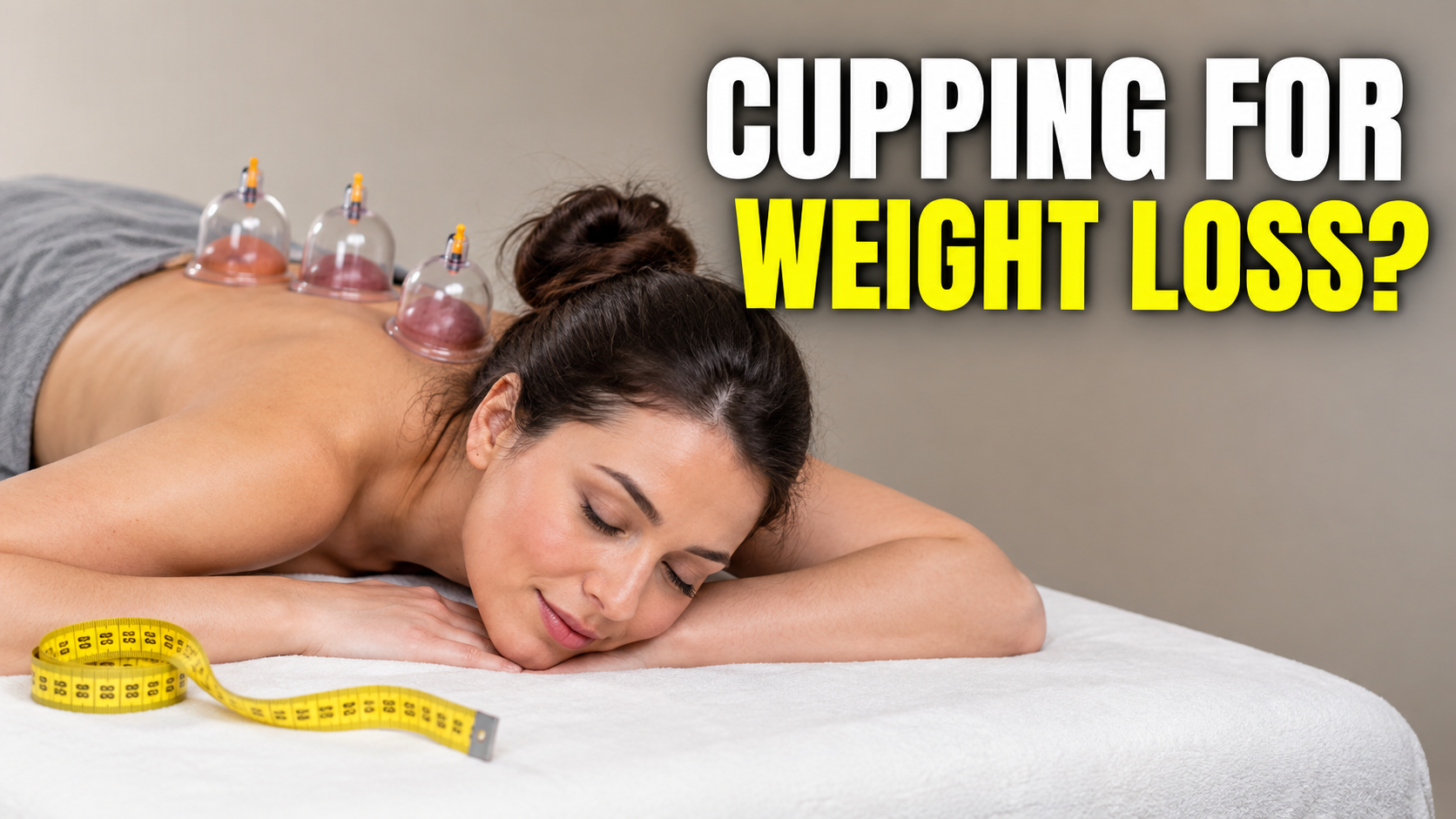
Dr. J’s quick answer: Cupping has not been shown to burn fat or produce meaningful, lasting weight loss. If it eases pain or helps someone relax, it may indirectly support movement or self-care, but that is different from a weight-loss effect.
Recently, cupping has become highly visible through athletes, celebrities, and social media. It is a traditional practice that creates suction on the skin, usually leaving temporary circular marks. People often seek it for muscle soreness or relaxation, but it is now being marketed for weight loss as well.
That claim needs a reality check. The National Center for Complementary and Integrative Health reports that most cupping research is low quality. There is not enough high-quality evidence to conclude that cupping is effective for weight loss, metabolism, “detoxification,” or digestive disease.
What cupping does—and does not do
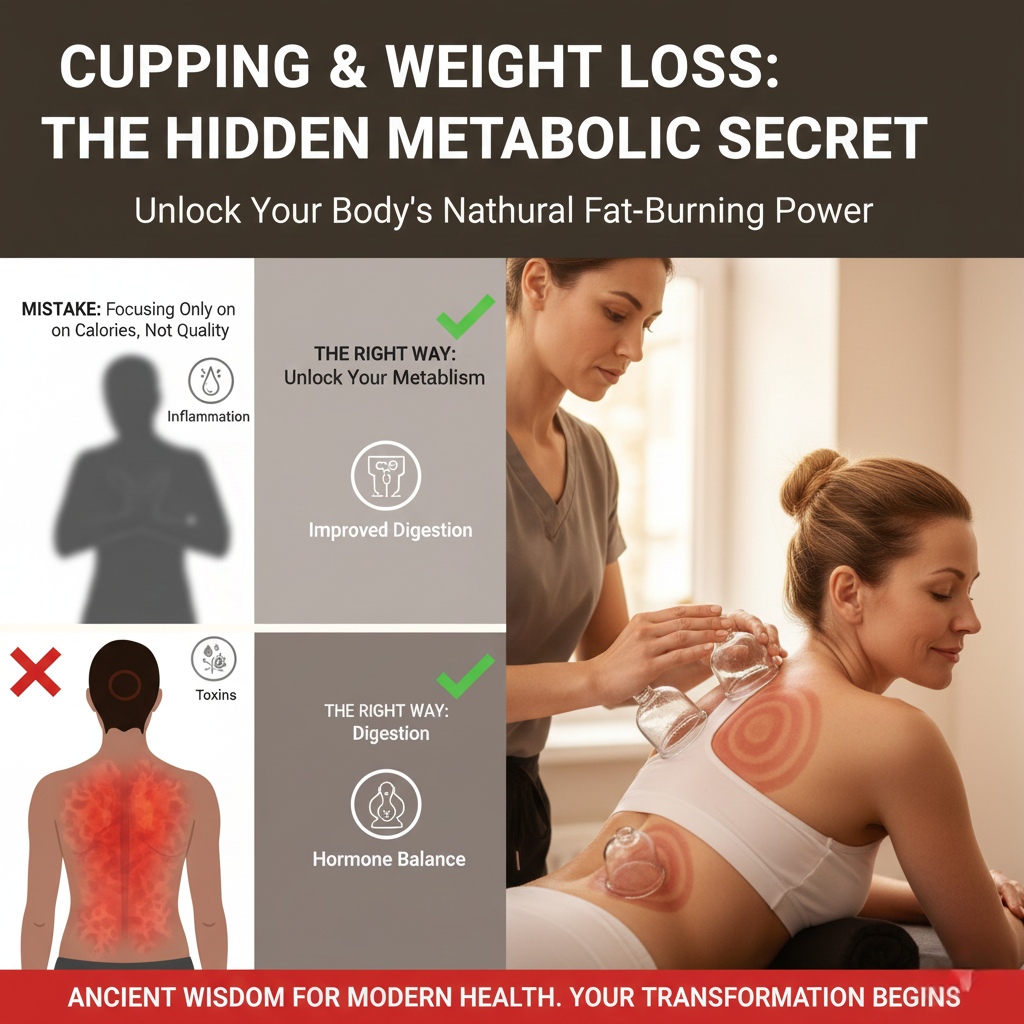
Cupping creates a local mechanical effect on the skin and superficial tissues. It can leave discoloration, tenderness, or a temporary feeling of looseness. That local effect should not be confused with an increase in whole-body metabolic rate or the removal of body fat.
Cupping has not been shown to:
- remove fat from the abdomen or thighs;
- produce lasting changes on the scale;
- “drain toxins” from the body;
- correct insulin resistance or hormone imbalance; or
- treat constipation, SIBO, or another digestive diagnosis.
Sweating, temporary fluid shifts, or feeling less bloated after a session are not the same as losing fat.
Could cupping help indirectly?
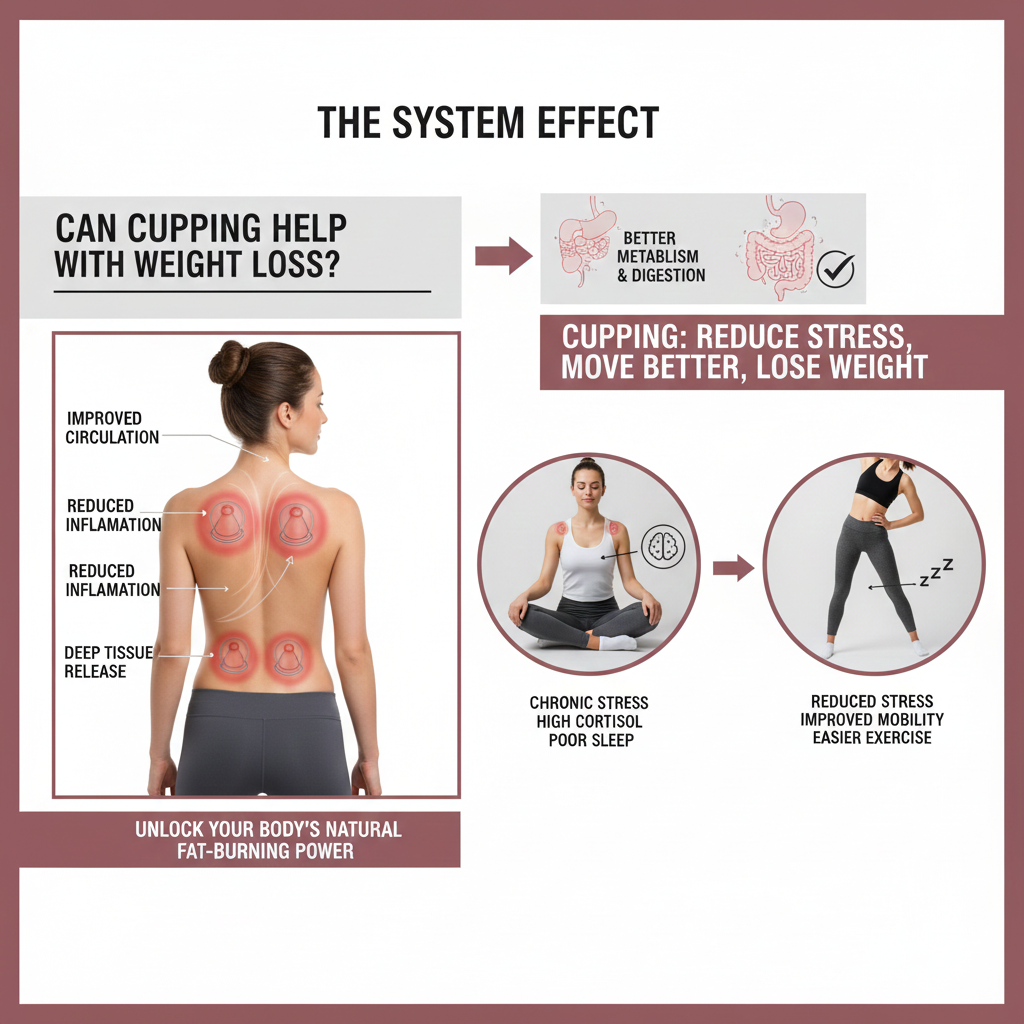
Some people find a cupping session relaxing, and limited evidence suggests it may help certain pain conditions. If a person experiences less soreness and can move more comfortably, that may support a return to activity. This is an indirect pathway and should be described honestly.
I would not promise that cupping lowers cortisol, balances appetite hormones, or changes emotional eating. Relaxation is a personal response, and meaningful weight management still depends on nutrition, activity, sleep, medical factors, and sustained behavior.
Cupping, pain, and mobility
Pain can interfere with exercise, but the evidence for cupping as a pain treatment is uncertain and varies by condition. If you use it, set a functional goal—such as walking more comfortably—rather than expecting the treatment itself to change weight.
Cupping can cause persistent discoloration, scars, burns, and infections. Wet cupping adds bleeding and bloodborne-infection risks if equipment and technique are not properly controlled. Avoid placing cups over broken or infected skin, and discuss the treatment with a clinician if you take blood thinners, have a bleeding disorder, are pregnant, or have significant medical problems.
Conclusion
Cupping is not a weight-loss treatment. At most, it may be an optional comfort or pain-management tool for some people, with benefits and risks that should be considered realistically. I would measure success by safe improvement in symptoms or movement—not by claims about detoxification, metabolism, or rapid fat loss.
Dr. J’s evidence-based perspective
In my clinical work, I do not sell patients a single-food, single-device, or single-treatment solution. I look at the complete pattern: nutrition, movement, sleep, stress, medications, medical conditions, muscle mass, and what the patient can realistically sustain.
When to seek medical care
Seek individualized medical advice if weight changes are rapid or unexplained, or if you are pregnant, breastfeeding, living with diabetes, taking weight-affecting medication, or have a history of an eating disorder. Chest pain, fainting, or severe weakness needs urgent assessment.