
Significant weight loss is a major physical and emotional achievement. It improves metabolic health, mobility, and overall well-being. Yet many people discover after the scale changes, the image in the mirror is still disappointing. Loose skin, uneven body contours, and stubborn pockets of fat can remain, often clouding the internal health benefits.
This is where body contouring treatments can be helpful. A common question comes to mind: how can body contouring treatments improve results after significant weight loss, and what does it target?
To answer this , it’s important to understand what weight loss changes inside the body, what it does not reverse, and how modern contouring treatments are designed to work.
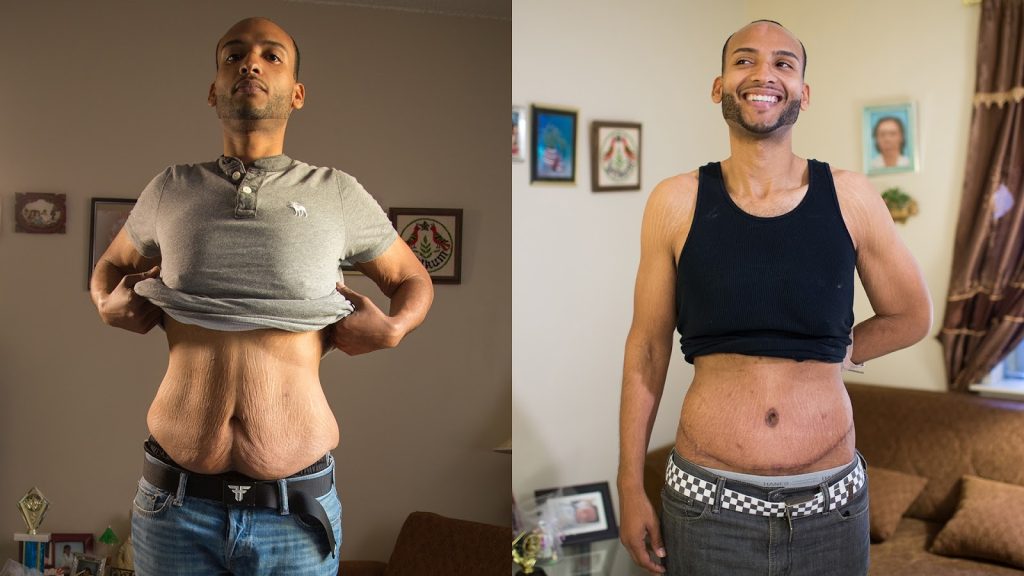
What Happens to the Body After Major Weight Loss?
When the body loses a significant amount of weight, fat cells shrink, but the skin and connective tissue do not always end up in an ideal condition. Skin elasticity depends on age, genetics, how long you carried the extra weight, hormonal factors, and how quickly you lost the weight. When weight loss is gradual, over months or even years, skin may partially tighten. Rapid weight loss, usually means excess skin is more likely to remain.
Along with loose skin, weight loss can leave behind areas of uneven fat distribution. Some types of fat deposits are more resistant to change because of hormone and genetic factors, even when total body weight decreases significantly.
These type changes are structural, not metabolic. Diet and exercise can improve muscle tone and health, but they cannot remove excess skin or selectively reshape some areas of the body.
What Body Contouring Treatments Are Designed to Do?
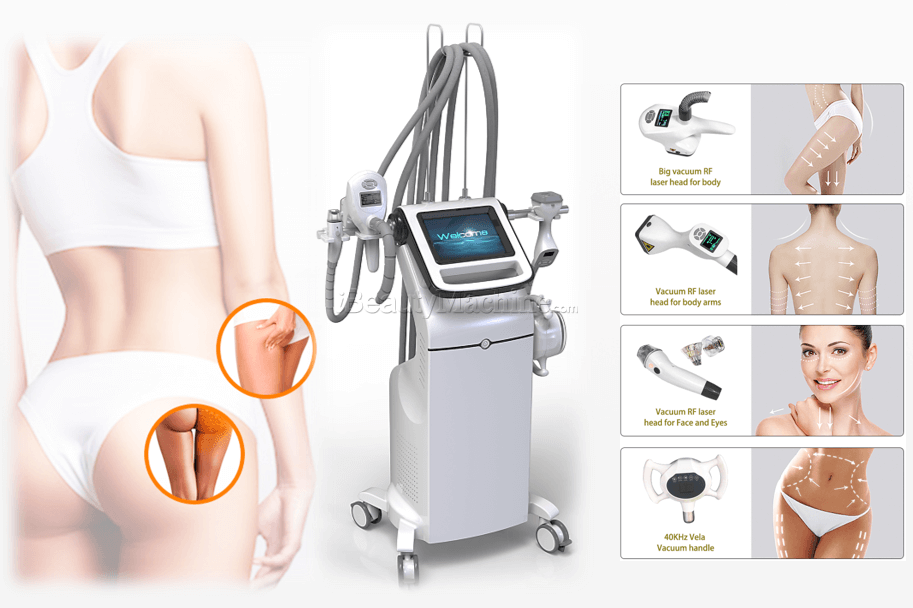
Body contouring treatments are designed to improve shape, not to cause weight loss. Their role is to attempt to correct the physical appearance of weight loss by targeting fat cells, loose unsightly skin, or both.
Non-surgical body contouring treatments typically work by:
- Reducing small, localized fat deposits
- Increasing the production of collagen to improve skin firmness
- Improving body contour and appearance
These treatments do not replace healthy habits, but they can improve appearance after significant weight loss.
Why Body Contouring Can Improve Loss Results
After significant weight loss, the body’s total appearance may not completely reflect the end desired outcome. Excess skin can hide muscle definition, and unsightly fat pockets can create undesirable appearance even at a healthy weight. Body contouring helps even out the playing field between weight loss and body shape.
By improving skin tightness and smoothing out contours, these treatments can make the body appear leaner, more defined, and more in balance. Clothes fit better and body confidence improves, even though the number on the scale may not change.
Importantly, body contouring works best after weight loss has stopped, when the body is no longer undergoing major shape changes.
Non-Surgical vs Surgical Body Contouring After Weight Loss
Not all physical appearance changes after weight loss can be approached with the same strategy.. The severity of skin laxity and fat distribution determines which options will achieve the best outcomes..
Their are several effective, non-surgical approaches that work with the body’s natural healing systems. Dry brushing, resistance training, infrared saunas, and nutrient-rich superfoods like spirulina can all stimulate collagen production, improve skin elasticity, and support detoxification pathways. These methods not only improve skin tone, and help eliminate small fat pockets, but also promote whole-body repair—from the inside out. Remember, true beauty and contour come from restoring balance, not from quick fixes.
Surgical body contouring procedures, or body lifts, may be necessary for individuals with significant excess skin that cannot smooth out on its own. Surgery physically removes skin and reshapes underlying tissue, producing more dramatic changes but prolonged recovery time.
My recommendation is to consult with a functional medicine physician to determine which approach best aligns with a patient’s body needs and goals.
Psychological and Quality-of-Life Benefits
The impact of body contouring after weight loss is not solely for physical appearance. Studies show that excess skin can contribute to discomfort, skin irritation, hygiene challenges, and reduced physical confidence. Taking the time to correct these issues can improve mobility, comfort during exercise, and overall quality of life.
For many people, body contouring helps to balance external appearance with internal health improvements, promoting long-term lifestyle changes.
Setting Realistic Expectations
Body contouring treatments get proven results, but they are not magic fixes. They do not prevent future weight gain, and they do not replace nutrition or physical activity. Results depend on skin quality, treatment type, proper and consistency of good nutrition, and the maintenance of a stable weight.
Patients who understand that body contouring is the final refinement step, not the weight loss magical fit itself, get long-term satisfaction lasting results.
Conclusion: How Body Contouring Complements Weight Loss
Body contouring treatments can significantly improve physical appearance after major weight loss by addressing loose skin, uneven contours, and stubborn fat deposits that diet and exercise cannot fix.
The most important takeaway is this: weight loss changes health, body contouring refines shape. When used wisely and at the right time, these treatments can help individuals get the best results and enjoy the results of their hard work.