
Back Pain
Can Dehydration Cause Lower Back Pain? A Chiropractor Looks at Fluids, Discs, and Muscle Function
Written by Dr. James Krystosik · Published January 27, 2026 · Updated September 23, 2026
Functional Medicine Physician, Chiropractor, Author, Podcast Host · In practice since 1986
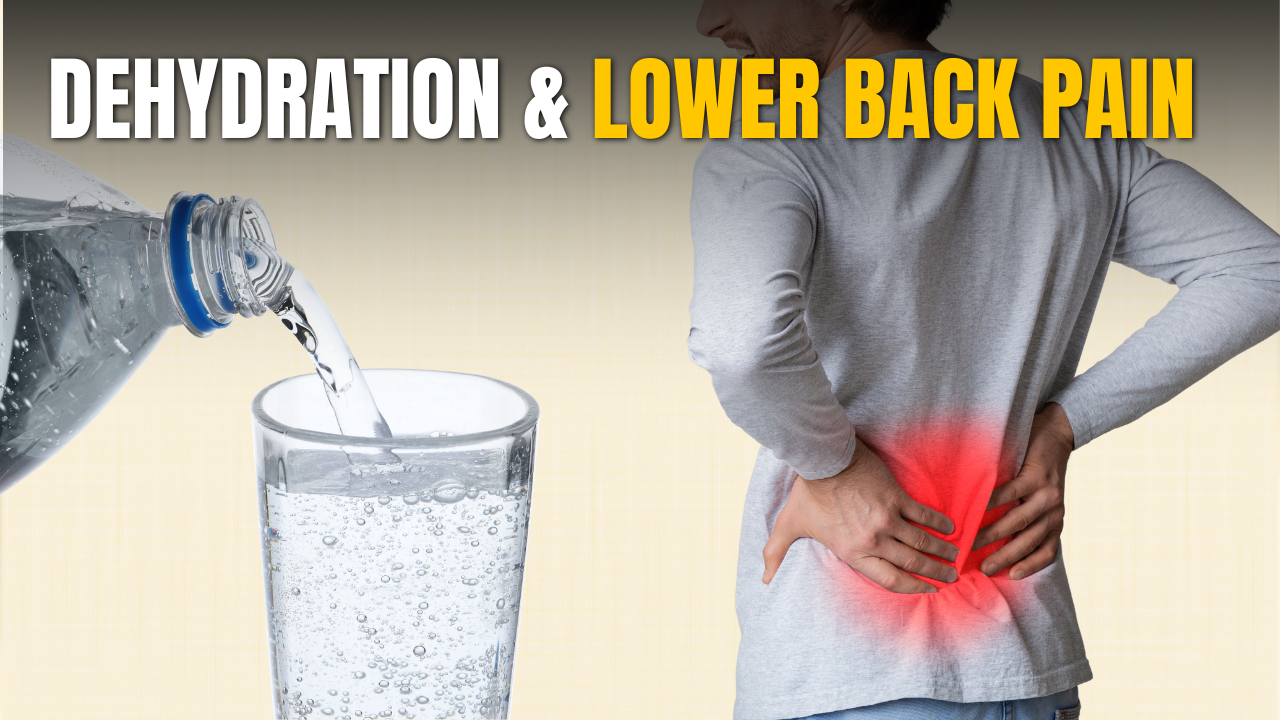
Dr. J’s quick answer: Dehydration can contribute to muscle cramps, fatigue, and reduced exercise tolerance, but persistent lower-back pain usually has more than one possible cause. Hydration is supportive care—not a substitute for evaluation.
Lower back pain is one of the most common physical complaints, and dehydration is one of the most common overlooked triggers of low back pain. Because these two problems seem unrelated, many people are surprised to learn there may be a connection. This leads to a practical and increasingly common question: can dehydration actually cause lower back pain, or is it just a coincidence?

The short answer is yes—dehydration can contribute to lower back pain. But the relationship is indirect and rooted in anatomy, muscle physiology, and spinal health rather than one single mechanism.
To understand how this happens, we need to look at how water supports the structures of the lower back.
Join GUT RESTORATION COMMUNITY
Why Hydration Matters for the Spine
The spine is not a stiff column of bone. Between each vertebra sits an intervertebral disc, a flexible structure designed to absorb shock and allow movement. These discs are made largely of water. In fact, healthy spinal discs are composed of roughly 70–80% water.
Throughout the day, spinal discs gradually lose fluid due to gravity and compression. At night, when we lie down, they rehydrate. This daily cycle is essential for maintaining disc height, flexibility, and shock-absorbing capacity.
When the body is dehydrated, this rehydration process is interupted. Discs can become less flexable, thinner, and less able to cushion the spine—especially in the lower back, which carries most of the load in the spine.
Dehydration and Disc Compression
When spinal discs lose water content, they provide less space between vertebrae. This can increase physical stress on the surrounding structures, including ligaments, joints, and nerves. In the lower back, where movement and weight-bearing are so important, this stress may show up as stiffness, aching, or pain.
Dehydrated discs are also more prone to irritation and physical strain. While dehydration alone does not cause disc herniation or degeneration, it can increase existing spinal stress, making discomfort and pain more frequent.
This is one reason some people experience more back pain after long periods without fluids, intense physical activity without hydration, or exposure to heat.
Muscle Tension and Dehydration
Hydration is very important for muscle activity. Muscles require plenty of fluid and electrolytes to work and relax properly. When dehydration occurs, muscles can become more prone to tightness, cramping, and fatigue.
In the lower back, tight muscles that run right along the spine can create constant tension, decrease movement and increase pain—especially during activity or prolonged sitting. Dehydration can increase muscle stiffness, create discomfort that feels deep, dull, or achy rather than sharp.
The connection between fluid intake and muscle activity is often overlooked, but it plays a significant role in dehydration-related back pain.
Reduced Circulation and Tissue Recovery
Another key point linking dehydration to lower back pain is circulation. Ideal fluid intake supports healthy blood flow, which delivers oxygen and nutrients to muscles, discs, and connective tissue. When fluids are low, blood circulation can be compromised.
Reduced blood flow slows cells and tissue recovery and increases the risk to strain and back pain. In the lower back, where tissues are constantly put under a heavy load, this can turn into constant soreness or pain that is only repaired after adequate fluid intake is restored.
When Dehydration-Related Back Pain Is More Likely
Lower back pain related to dehydration is more likely to occur when dehydration is combined with several other stressors. These can include prolonged sitting, heavy physical activity, heat exposure, insufficient sleep, or existing back issues.
Under these circumstances, dehydration acts as a major contributing factor, but still not the sole cause. Restoring fluid intake alone may not instantly eliminate pain, but it commonly reduces stiffness and supports recovery when combined with movement, chiropractic adjustments, soft tissue treatments and rest.
When Back Pain Is Probably Not From Dehydration
It’s important to be clear: dehydration does not explain all lower back pain. Severe, persistent, or worsening pain—especially pain accompanied by numbness, weakness, fever, or unexplained weight loss—should never be blamed solely to insufficient hydration.
Muscle strain, nerve irritation, fractures, infection, kidney problems, inflammatory disorders, and other conditions can cause lower back pain. Treatment depends on the diagnosis; chiropractic care is not automatically the first or safest choice for every patient.
Dehydration-related discomfort is usually mild to moderate, felt throughout the entire body, and improves with fluids, movement, and rest.
A Holistic Perspective on Hydration and Back Health
From a chiropractic standpoint, hydration is a foundational but often overlooked and underestimated aspect of musculoskeletal health. Water supports disc integrity and function, muscle flexibility, circulation, and tissue recovery—all of which influence how the lower back feels during daily life.
While drinking more water is not a cure for chronic back pain, chronic under-hydration can make existing back issues worse and slow recovery from strain, sprain and long standing back pain.
Conclusion: Can Dehydration Cause Lower Back Pain?
Dehydration does not directly damage the spine, but it can contribute to lower back pain by reducing disc hydration, increasing muscle stiffness, impairing circulation, and increasing mechanical stress on the structures of the spine and related tissues.
The biggest takeaway is this: dehydration is rarely the sole cause of lower back pain, but it is a meaningful contributing factor that is often easy to correct. Maintaining proper hydration supports spinal health, muscle function, and overall comfort—especially for those prone to back pain.
If lower back pain improves with hydration and movement, dehydration may have been part of the problem. If pain persists, be certain to get an evaluation from a chiropractic physician.
Dr. J’s evidence-based perspective
In my clinical work, I do not assume that the location of pain reveals its cause. I examine how the pain started, what changes it, whether nerves are involved, and whether symptoms point outside the spine before recommending care.
When to seek medical care
Seek urgent care for new bowel or bladder dysfunction, numbness in the groin or saddle area, progressive leg weakness, fever, major trauma, unexplained weight loss, chest pain, or back pain accompanied by severe abdominal or urinary symptoms.