
SIBO
SIBO Meal Plan: A Flexible, Nutrition-First Approach
Written by Dr. James Krystosik · Published May 24, 2025 · Updated September 23, 2026
Functional Medicine Physician, Chiropractor, Author, Podcast Host · In practice since 1986
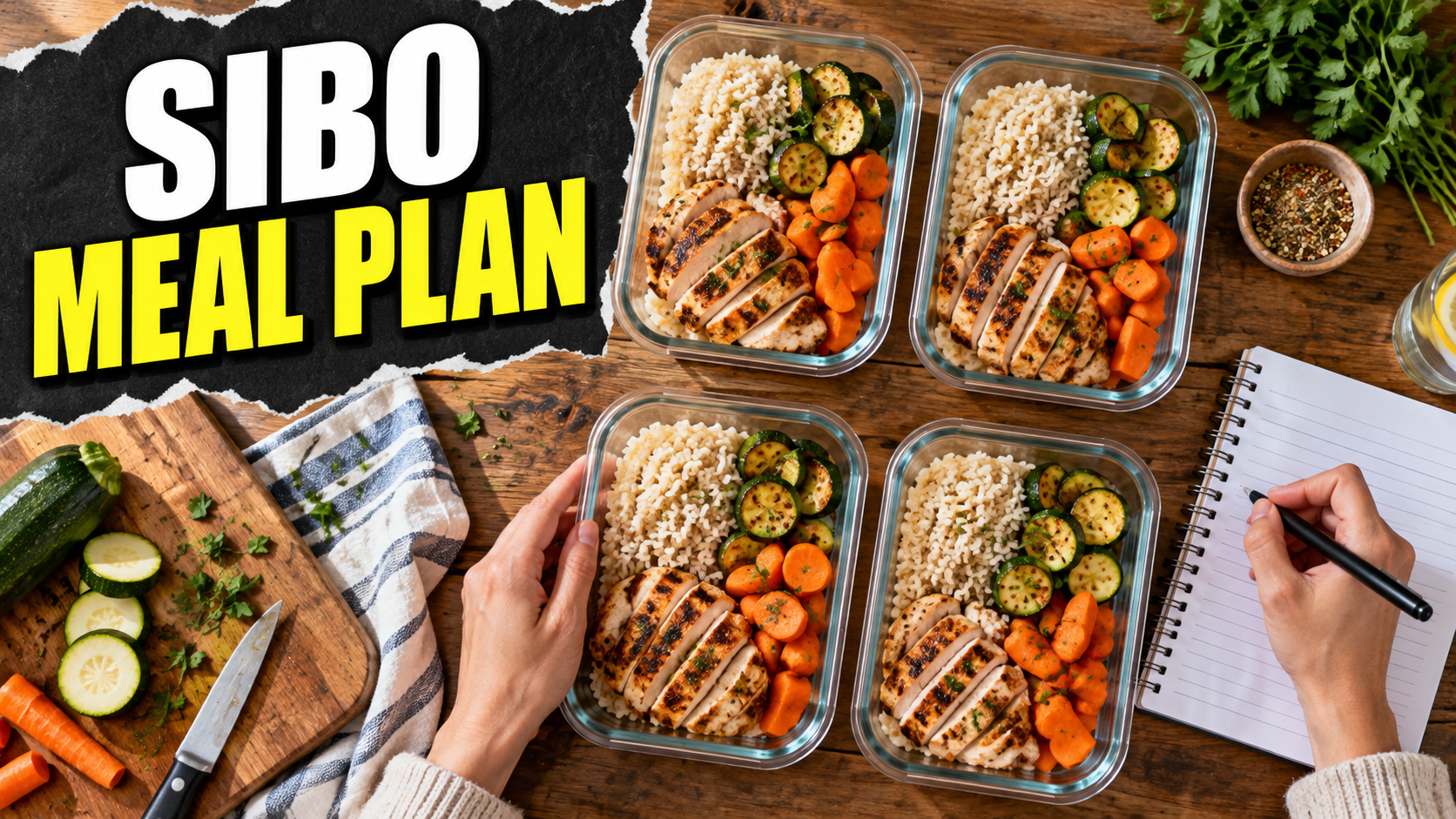
Dr. J’s quick answer: A SIBO meal plan should be temporary, nutritionally adequate, and personalized. I use food changes to manage symptoms while the underlying cause is evaluated, then broaden the diet as tolerance improves.
If you’ve been diagnosed with Small Intestinal Bacterial Overgrowth (SIBO), chances are you’ve been handed a list of forbidden foods that’s longer than your grocery list. The conventional advice usually sounds something like this: “No FODMAPs, no fermentables, no histamines, no this, no that.”
Before long, food becomes the enemy, and mealtime becomes a joyless ordeal. But what if I told you there’s a better way—a liberating, personalized, and scientifically grounded plan that nourishes and heals the gut without an experience filled with drudgery?
In more than 35 years of clinical practice, I have learned that increasingly restrictive food lists can create new problems. My goal is adequate nutrition, symptom control, and planned reintroduction—not a promise that diet alone will eliminate SIBO.
The truth is most people don’t get sick because they’re eating sauerkraut or sweet potatoes. They get sick because they’re eating foods their immune system is quietly reacting to—foods they don’t even realize are causing damage.
Let’s unpack my strategy to eliminate SIBO—and why it works without all of the unnecessary dietary restrictions.
Why the Conventional SIBO Diets Often Fail?
Most practitioners lean on a handful of popular dietary approaches to treat SIBO:
- Low FODMAP diet
- Specific Carbohydrate Diet (SCD)
- Low-histamine diet
- Ferment-free protocols
These diets reduce certain fermentable foods and may improve symptoms for selected patients. The problem comes when a short-term tool becomes a permanent, increasingly restrictive diet. Restriction can reduce fiber variety, calories, and micronutrients and can make social eating difficult. “Hidden food allergy” should not be assumed to be a root cause of SIBO without appropriate allergy evaluation.
That’s where my approach breaks the mold.
A Whole-Food, Plant-Strong Approach
Rather than putting my patients on extreme elimination diets, I guide them toward a whole-food, primarily plant-based plan rich in:
- A wide variety of fresh vegetables (cooked and raw)
- Cold-water fish like wild-caught salmon, tuna, and sardines
- Gluten-free whole grains (quinoa, millet, amaranth)
- A wide variety of fresh fruits, especially berries
- Limited organic poultry (chicken or turkey)
- Nutrient-dense raw nuts and seeds
- Gut-healing herbs and superfoods
This plan isn’t about deprivation—it’s about feeding the body—and your friendly gut bugs—the foods they crave to feel and function their best.”
and the beneficial gut bacteria, the kind of foods needed and loved. And yes, it includes fermented foods, too (more on that shortly).
Personalization Without Unvalidated Food Panels
Personalization matters because symptom triggers, nutrition needs, culture, budget, and medical conditions differ. IgE-mediated food allergy is a specific immune condition that may cause hives, swelling, wheezing, vomiting, or anaphylaxis and belongs with a qualified allergy professional.
Commercial food-specific IgG panels are not considered a validated stand-alone test for food allergy or intolerance. When a food-symptom relationship is unclear, I prefer a structured diary and a time-limited elimination followed by planned reintroduction. That approach tests a practical hypothesis without labeling dozens of nutritious foods as harmful.
How Food Sensitivities Worsen SIBO?
Food intolerance can worsen bloating, gas, cramping, or diarrhea, but those symptoms do not prove immune injury or systemic “leaky gut.” Autoimmune diseases such as Hashimoto’s thyroiditis, rheumatoid arthritis, and lupus should never be attributed to one food panel or treated by diet alone.
Healing the Gut: Herbs and Superfoods That Rebuild
Some patients ask about soothing supplements such as:
- Aloe vera gel – soothes inflamed mucosa and promotes tissue regeneration
- Slippery elm bark forms a protective coating over the intestinal lining
- Deglycyrrhizinated licorice (DGL) supports mucosal integrity
- Marshmallow root – reduces inflammation and coats the gut lining
Evidence and product quality vary, and these products can cause side effects or interact with medication. I do not describe them as proven to “seal” the gut or guarantee long-lasting healing.
Targeting the Root Cause: Herbal Antimicrobials
Rifaximin and other antibiotic strategies are discussed in clinical guidelines for selected patients. Botanical antimicrobials are sometimes used in integrative practice, but they are not automatically safer and should not be described as selectively eliminating only harmful organisms. Products sometimes discussed include:
- Berberine
- Oregano oil
- Neem
- Garlic extract (allicin)
- Caprylic acid
Clinical evidence for these regimens is limited, doses are not standardized, and interactions matter. Any antimicrobial plan should follow an actual diagnosis, safety review, and follow-up.
Reintroducing Fermented Foods (Yes, You Read That Right)
Here’s where my protocol really breaks from the pack: I do not restrict fermented foods during the elimination diet. I introduce them.
Of course, we start slowly—with tiny amounts of sauerkraut juice, coconut yogurt, kombucha, etc.—and increase as tolerated. The reason is simple: fermented foods contain the very microbes that help keep harmful bacteria in check. Rather than avoiding them, we leverage them to restore microbial diversity and resilience.
When the gut lining is healing, and the immune system is no longer being bombarded by hidden allergens, fermented foods are not only safe—they are essential.
A Rotational Reintroduction Phase
After the 3-month elimination period, we reintroduce the previously reactive foods on a 3-day rotation basis. This method prevents the immune system from overreacting again and allows us to determine if any of the foods need to be permanently avoided. Within six months, the formerly reactive foods can be reintroduced into the diet two or three times per week. Occasionally, one or two foods may need to be avoided permanently.
The goal here is not just freedom, but confidence: knowing exactly which foods nourish your body and which ones to avoid.
SIBO Healing Doesn’t Have to Mean Misery
My SIBO diet is not only less restrictive—it’s more effective, enjoyable, and empowering. By identifying hidden food sensitivities, healing the gut lining, and restoring balance with herbs and fermented foods, we allow the body to do what it was designed to do: heal itself.
You don’t need to live in fear of food. You don’t need to count grams of fermentable carbs or avoid kimchi or other fermented foods from your fridge. You need a plan that makes sense, is backed by science, and is tailored to your unique biology.
That’s the kind of care every patient deserves.
So, if you’re ready to trade in a restrictive diet that is boring and limited, I invite you to consider my prescription to heal SIBO. Long-term healing from SIBO isn’t just possible—it’s delicious.
Goodbye illness. Hello wellness.
Dr. J’s evidence-based perspective
In my clinical work, I treat symptoms as clues—not proof of a diagnosis. I listen to the full history, look for common and serious alternatives, and use testing when it can change the plan. I also avoid turning a short-term symptom diet into a permanent list of forbidden foods.
When to seek medical care
Contact a clinician promptly for blood in the stool, black stool, persistent vomiting, fever, dehydration, anemia, progressive trouble swallowing, severe abdominal pain, or unintentional weight loss. These are not symptoms to manage with diet or supplements alone.