
SIBO
SIBO and Brain Fog: Association, Evaluation, and Treatment
Written by Dr. James Krystosik · Published June 29, 2025 · Updated September 23, 2026
Functional Medicine Physician, Chiropractor, Author, Podcast Host · In practice since 1986
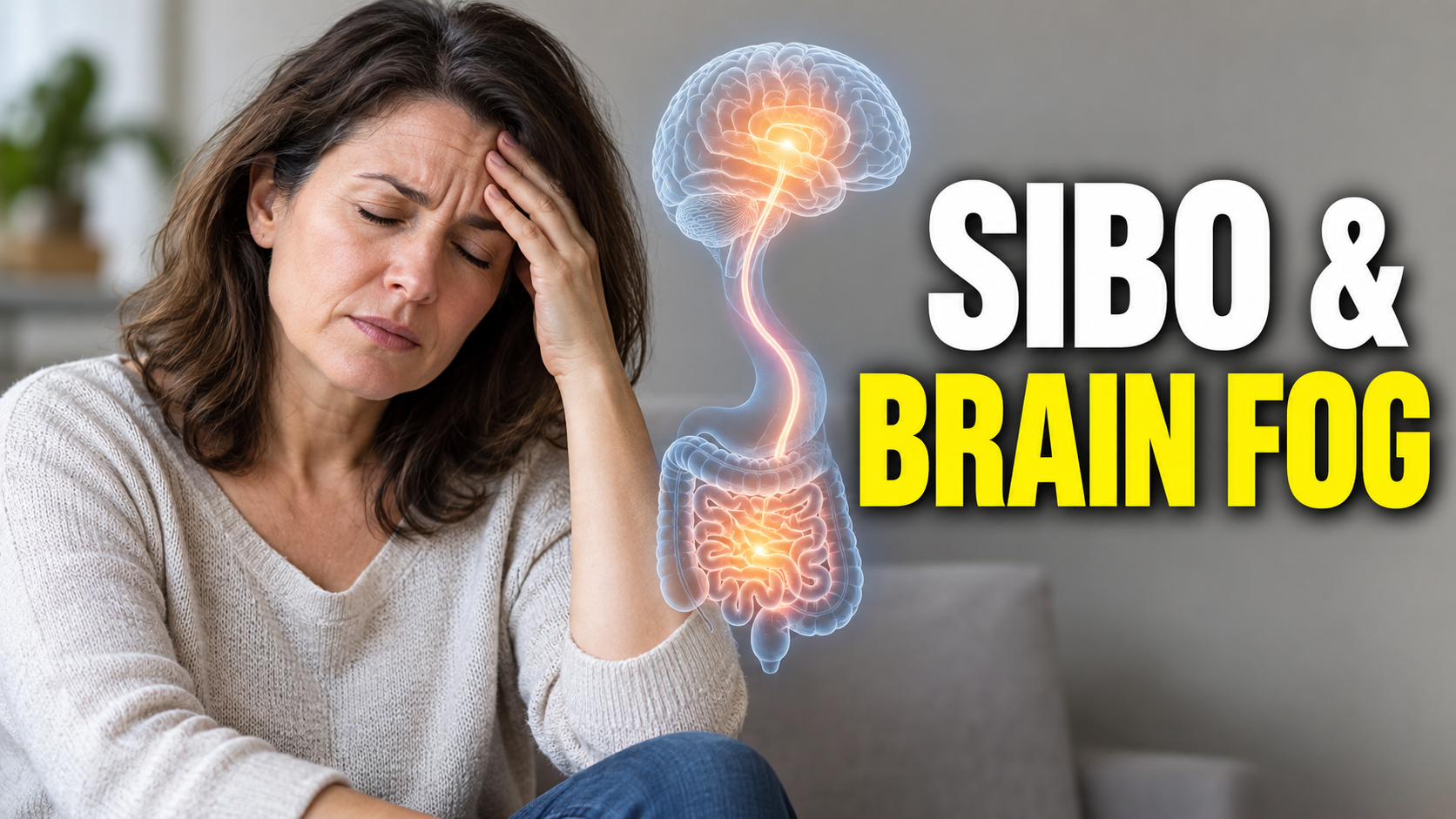
Dr. J’s quick answer: Brain fog is a symptom, not a diagnosis, and sleep problems, medications, anemia, thyroid disease, glucose changes, mood disorders, and other conditions are common causes. I consider SIBO only when digestive history and appropriate testing support it.
Do you ever feel forgetful, mentally slow, or unusually fatigued? People often call this “brain fog.” It is a useful description, but it is not a diagnosis. Sleep loss, medication effects, anxiety or depression, anemia, thyroid disease, glucose problems, infection, menopause, and nutritional deficiencies are among the possibilities.
If brain fog occurs alongside persistent bloating or altered bowel habits, SIBO may be one part of the evaluation. It should not be treated as the hidden cause until the broader clinical picture supports that conclusion.
The Gut-Brain Connection
Your gut and brain are connected through what has recently been coined the gut-brain axis. This two-way street communication system involves nerves, hormones, and the immune system. When the gut is inflamed, your brain feels the effects.
Research on the gut-brain axis shows biologically plausible links between digestion, immune signaling, and brain function. That broad science does not prove that routine SIBO causes endotoxins to cross the blood-brain barrier or that it explains an individual patient’s cognitive symptoms.
Brain Fog: A Symptom, Not a Diagnosis
Brain fog is a symptom that deserves a systematic history rather than a single “root cause” assumption. In my practice, digestive treatment and mental clarity sometimes improve together, but that observation does not prove that SIBO caused fibromyalgia, depression, or cognitive symptoms.
Scientific Evidence Linking SIBO to Brain Fog
I have two studies to show you that will help you to understand the link between SIBO and Brain Fog with scientific evidence.
Study #1: Gut Dysbiosis and Brain Inflammation
A 2022 article published in Frontiers in Neuroscience reported disturbances in the gut microbiome—bacteria in the gut triggered consequences in the brain.
D-lactic acidosis can cause neurologic symptoms, but it is rare and is seen mainly in people with short-bowel anatomy. Elevated D-lactate should not be described as common in ordinary SIBO.
Study #2: SIBO and All Facets of Learning and Memory in Fibromyalgia Patients
A 2023 study in the journal Pain Medicine examined women with fibromyalgia and found a high incidence of SIBO. Those who tested positive for SIBO had significantly more severe brain fog symptoms than those who did not.
Researchers concluded that “addressing SIBO may be a new approach to improving cognitive symptoms in fibromyalgia patients.”
The takeaway is more cautious: small studies and selected patient groups suggest a possible association, but they do not show that SIBO routinely impairs cognition in the general population.
What Causes SIBO To Get Brain Fog?
The following are several root causes that can set the stage for SIBO:
- Antibiotic overuse – Kills good bacteria, allowing harmful ones to overgrow.
- Low stomach acid – Prevents proper digestion and allows bacteria to grow.
- Slow gut motility – A sluggish small intestine allows unwanted bacteria to hang out in the small intestine and multiply.
- Poor diet – A diet rich in “carbs from hell”—refined sugars and processed grains.
- Stress – High cortisol levels affect gut motility and immune function.
How to Clear the Fog and Heal the Gut?
When SIBO is confirmed and contributes to poor intake, sleep disruption, or a nutrient deficiency, appropriate treatment may improve overall wellbeing. A guaranteed cognitive recovery should not be promised.
Step 1: Identify the Underlying Root Cause
Functional medicine testing, like the lactulose or glucose breath test, can confirm SIBO. I recommend working with a practitioner who understands functional medicine, not just symptom management. I’d be honored to help you, but please get to a good doctor.
Step 2: Remove the Overgrowth
Clinical guidelines discuss antibiotic treatment for selected patients. Botanical antimicrobials have less standardized evidence and can cause side effects or interactions; “natural” does not mean risk-free or proven superior.
Step 3: Repair the Gut Lining
Supplements such as aloe, slippery elm, and zinc carnosine are sometimes used for digestive symptoms, but evidence varies and they are not guaranteed to repair the gut or clear brain fog.
Step 4: Replace “Carbs from Hell” with “Carbs from Heaven”
Choose foods that nourish your gut, not inflame it. These include:
- Steamed vegetables
- All types of berries
- Well-cooked quinoa, millet, brown rice, and buckwheat
Foods to limit only when they are reproducible triggers or reduce overall diet quality:
- Refined sugar and artificial sugars
- Gluten-containing grains only when medically indicated or clearly not tolerated; test for celiac disease before starting a gluten-free diet
- Artificial sweeteners
Step 5: Rebuild the Gut-Brain Connection
Meditation, deep breathing, prayer, and movement—all part of my Supernatural Morning Routine—are proven to reduce cortisol and promote vagus nerve tone, improving both gut and brain health. (You can get a FREE copy of my Supernatural Morning Routine book inside GUT RESTORATION COMMUNITY. Simply go to TheOtherSideofMedicine.com). The book and the community are FREE.
Join GUT RESTORATION COMMUNITY
Final Thoughts
You do not have to dismiss persistent brain fog, but you also should not self-diagnose it as SIBO. Evaluate common causes, act quickly on neurologic warning signs, and investigate digestive symptoms when the history supports it. As I tell my patients: do not guess—test thoughtfully, and keep the differential diagnosis open.
Dr. J’s evidence-based perspective
In my clinical work, I treat symptoms as clues—not proof of a diagnosis. I listen to the full history, look for common and serious alternatives, and use testing when it can change the plan. I also avoid turning a short-term symptom diet into a permanent list of forbidden foods.
When to seek medical care
Contact a clinician promptly for blood in the stool, black stool, persistent vomiting, fever, dehydration, anemia, progressive trouble swallowing, severe abdominal pain, or unintentional weight loss. These are not symptoms to manage with diet or supplements alone.