SIBO
Probiotics and SIBO: What You Need to Know About Fermented Foods, Fiber, and Gut Health
Written by Dr. James Krystosik · Published June 26, 2025 · Updated September 23, 2026
Functional Medicine Physician, Chiropractor, Author, Podcast Host · In practice since 1986
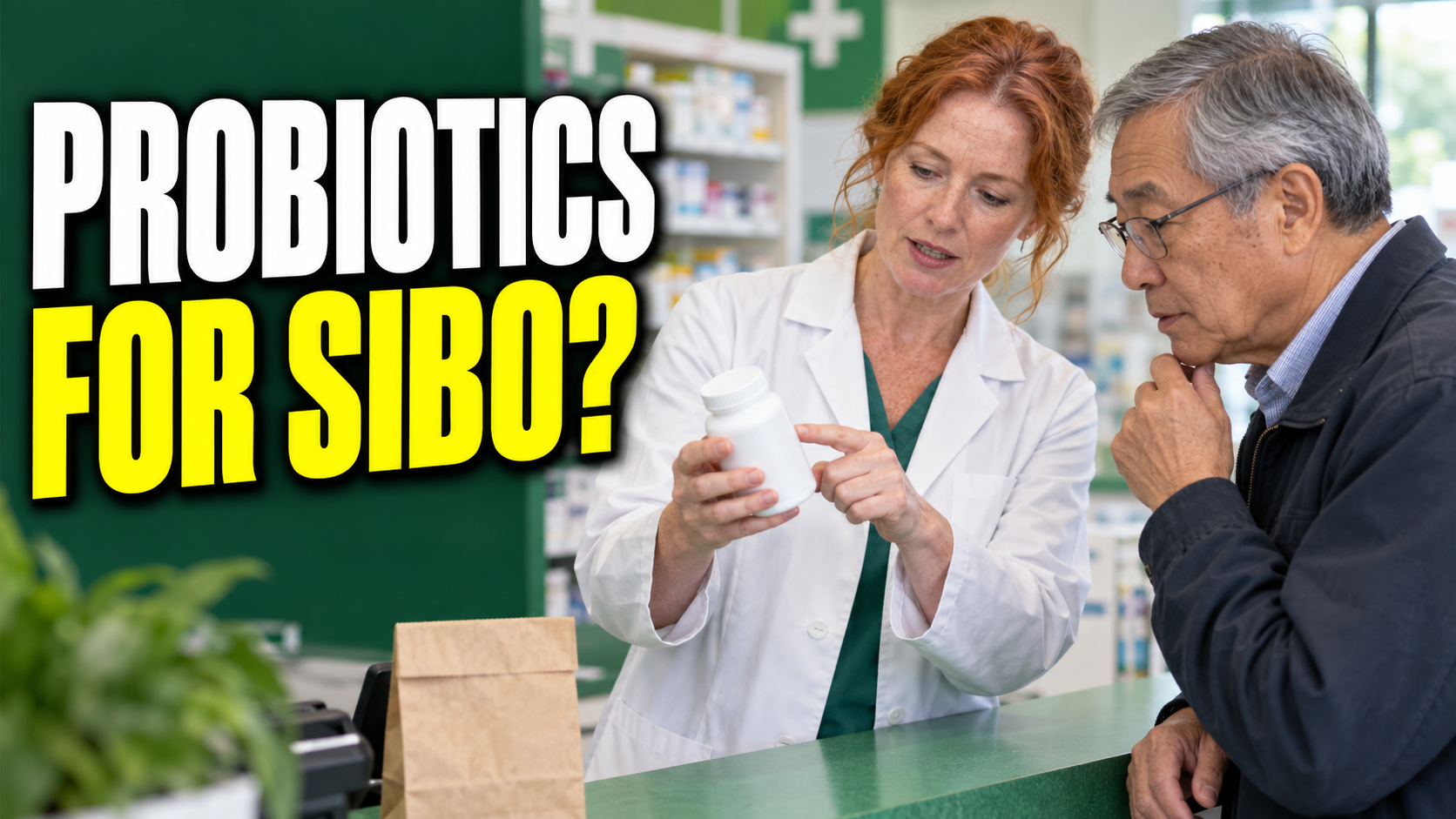
Dr. J’s quick answer: Probiotics are not one uniform treatment, and the evidence for SIBO is mixed. The strain, dose, symptoms, and timing matter; I stop a product that clearly worsens bloating, pain, or brain fog and reassess the diagnosis.
Small Intestinal Bacterial Overgrowth, or SIBO, is a common problem that millions of people are walking with every day, treated with medications without getting to the underlying cause. SIBO raises its ugly head when bacteria normally found in the large intestine grow out of control in the small intestine.
This disrupts digestion and nutrient absorption, leading to symptoms like gas, bloating, abdominal pain, constipation, or diarrhea. Many people are turning to probiotics and fermented foods for gut health support, but when it comes to SIBO, the mixed messages people get are confusing.
Let me break down the science behind probiotics, fermented foods, and how the correct dietary approach can improve your gut health, without making the problem worse.
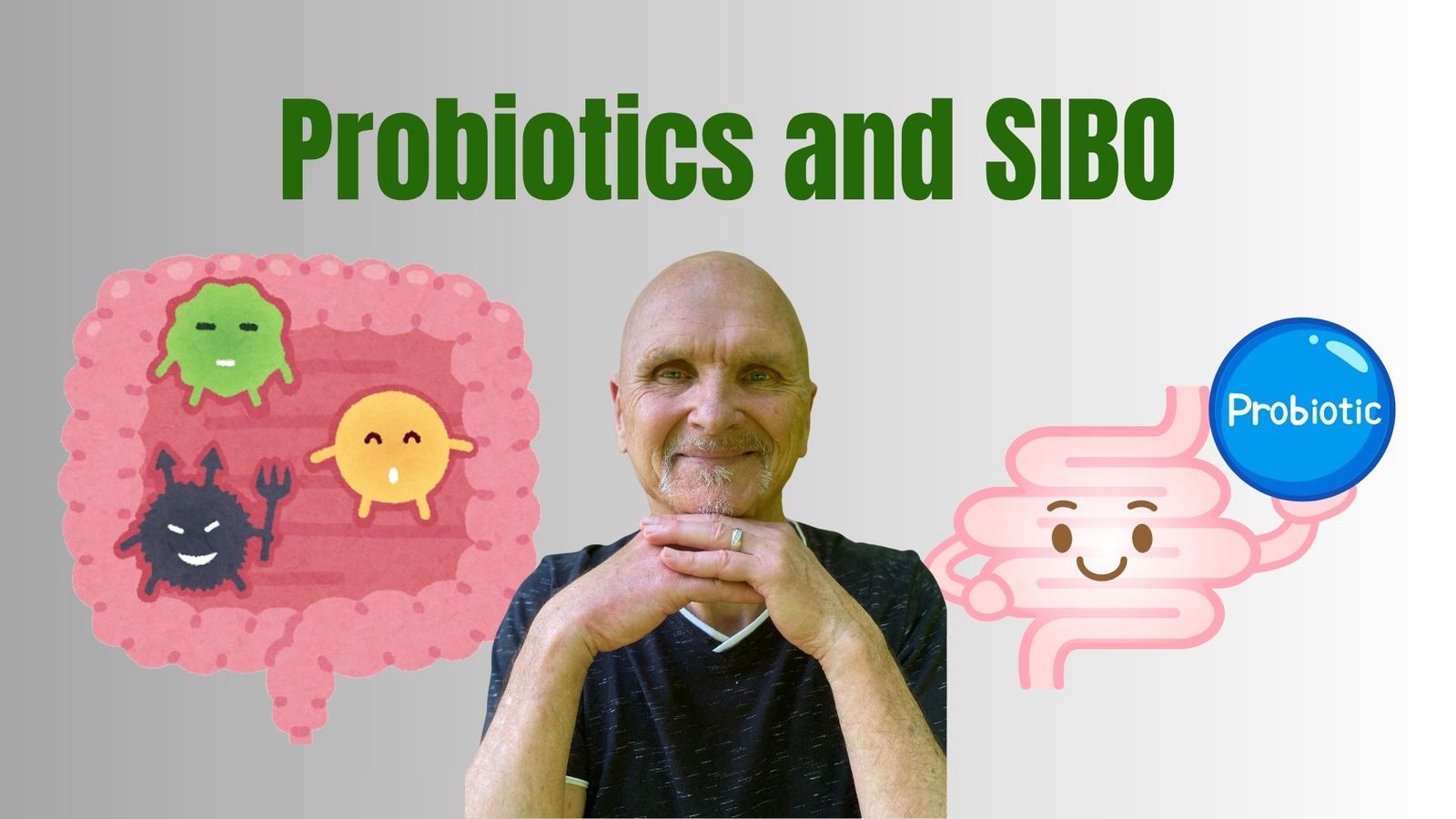
Probiotics, Prebiotics, and Postbiotics: What Actually Are They?
Probiotics are live microorganisms that may provide a health benefit when a specific strain is used in an adequate amount. That definition matters: different strains and products can act differently, and there is no scientifically accepted “80% good and 20% bad” target for a healthy microbiome.
Fermented foods such as sauerkraut, kimchi, miso, yogurt, and kefir are foods—not interchangeable probiotic prescriptions. Some contain live cultures; others do not after processing. They can be nutritious, but they are not automatically the best choice during active SIBO symptoms.
Prebiotics, on the other hand, are the fibers and plant compounds that nourish the beneficial bacteria. Humans can’t digest prebiotics, but the bacteria in your gut can. Feeding beneficial microbes with high-fiber, plant-based foods helps them survive and thrive.
Postbiotics are compounds made by beneficial bacteria from fiber. These compounds are short-chain fatty acids (like butyrate), enzymes, and other compounds that have direct anti-inflammatory, immune-boosting, and healing effects in the gut and beyond. While the term “postbiotic” may be unfamiliar to you, its health benefits have been well recognized for decades.
The Link Between SIBO and an Imbalance of Gut Bacteria
SIBO, known as dysbiosis, is important to our conversation. In the case of SIBO, the problem begins when bacteria normally confined to the colon migrate into the small intestine. This causes fermentation of carbohydrates in the small intestine, leading to excess gas, cramping, and inflammation.
Because probiotics are bacteria, the common belief is that taking them should help reduce or eliminate the symptoms of SIBO. However, it’s not always the case.
In fact, taking the wrong strains of probiotics, especially those that contain lactobacillus or bifidobacteria in capsule form, may worsen symptoms in some people with SIBO. That’s why it’s important to get a personalized approach.
Two Important Ways Fermented Foods Differ from Probiotic Supplements
The number and type of live organisms in fermented food vary with the recipe, processing, storage, and product. A supplement may contain one strain or several strains at a labeled dose, while a fermented food may have an uncertain microbial profile. Neither form is automatically safer or more effective for SIBO.
Some people tolerate small portions of fermented foods; others experience more gas, bloating, reflux, or histamine-type symptoms. I use a cautious trial only when it fits the person’s diet and current symptoms.
The Role of Plant-Based Fiber in Feeding the Right Bacteria
The beneficial bacteria that contribute to long-term gut health need the right environment and food sources to grow and populate inside the large intestine. That’s where fiber comes in.
Diets rich in fiber from whole plant foods—like vegetables, legumes, nuts, seeds, and fruits—help feed beneficial bacteria in the colon. These bacteria then produce postbiotics like butyrate, acetate, and propionate. These naturally occurring compounds strengthen the gut lining, reduce inflammation, and regulate immune function.
Research has shown that a high-fiber diet increases the abundance of beneficial bacteria and increases bacterial diversity. A more diverse microbiome is associated with better health outcomes, such as better digestion and elimination, mood regulation, and a stronger immune system.
When a restrictive diet has been used for symptom control, slowly broadening fiber intake can help restore diet quality and variety. The pace should be individualized; fermented foods are optional, not required for recovery.
Postbiotics: The Unsung Heroes of Gut Health
While probiotics get most of the attention, it’s actually the postbiotics—the compounds produced when bacteria digest fiber—that do much of the heavy lifting in your gut.
One of the most important is butyrate, a short-chain fatty acid produced when bacteria ferment plant-based fibers. Butyrate helps repair the lining of the small and large intestine, the colon, reduces inflammation, boosts the immune system, and much more.
Other postbiotics include antimicrobial peptides, vitamins (like vitamin K and B12), and enzymes that aid digestion. These byproducts also help maintain a low pH in the gut, making it harder for harmful microbes to thrive.
In short, while probiotics help seed the gut, and fiber helps feed the microbes, it’s the postbiotics that deliver many of the health benefits.
Practical Steps for Using Fermented Foods in SIBO Recovery
If you’ve been diagnosed with SIBO, here’s a practical roadmap for using fermented foods and plant fiber to support your recovery:
Start Low and Go Slow
Introduce fermented foods like sauerkraut juice, kombucha, fermented beets or carrots, or small amounts of kimchi in tiny servings—1 teaspoon at a time. As long as you don’t produce excess gas or bloating, continue to increase the dosage slowly.
Choose the Right Fermented foods
Choose raw, unpasteurized versions of fermented foods from the refrigerated section. Pasteurization found in unrefrigerated foods like saurkrout or pickles kills the beneficial microbes, forgoing the probiotic effect.
Reintroduce Fiber Gradually
Begin with well-cooked, easy-to-digest vegetables like zucchini, carrots, and spinach. Soaking legumes before cooking makes them easier to digest.
A Lot of People Avoid FODMAP Foods unnecessarily
Many People go on a very restrictive FODMAP diet. FODMAPs are considered highly fermentable carbs that are rapidly fermented in the small intestine. However, after treating thousands of people with digestive problems, including SIBO, I have found that personalizing the diet is in the patient’s best interest to eliminate the symptoms of SIBO.
I do not use commercial IgG blood panels as a stand-alone diagnosis of delayed food allergy. When food intolerance is suspected, a structured symptom history and time-limited elimination followed by planned reintroduction generally provides more useful clinical information. Suspected true food allergy belongs with a qualified allergy professional.
Join GUT RESTORATION COMMUNITY
Work with a Functional Medicine Practitioner
My advice is to work with a functional medicine physician who has years of experience in treating patients with SIBO.
SIBO often requires more than just dietary changes. Herbal antibiotics, digestive enzymes, and specific foods are needed to fully eradicate the overgrowth before rebuilding the microbiome.
Final Thoughts
SIBO is a complex condition without a one-size-fits-all probiotic plan. A probiotic or fermented food may help, do nothing, or worsen symptoms. The most sustainable approach protects overall nutrition, treats a confirmed condition appropriately, and tests one change at a time.
In the end, it’s not just about adding probiotics. It’s about creating the right environment so beneficial microbes can thrive, die, and leave behind postbiotic compounds to help keep your gut in balance.
Dr. J’s evidence-based perspective
In my clinical work, I treat symptoms as clues—not proof of a diagnosis. I listen to the full history, look for common and serious alternatives, and use testing when it can change the plan. I also avoid turning a short-term symptom diet into a permanent list of forbidden foods.
When to seek medical care
Contact a clinician promptly for blood in the stool, black stool, persistent vomiting, fever, dehydration, anemia, progressive trouble swallowing, severe abdominal pain, or unintentional weight loss. These are not symptoms to manage with diet or supplements alone.