
SIBO
What Foods Make SIBO Worse? (And What to Eat Instead)
Written by Dr. James Krystosik · Published November 15, 2025 · Updated September 23, 2026
Functional Medicine Physician, Chiropractor, Author, Podcast Host · In practice since 1986
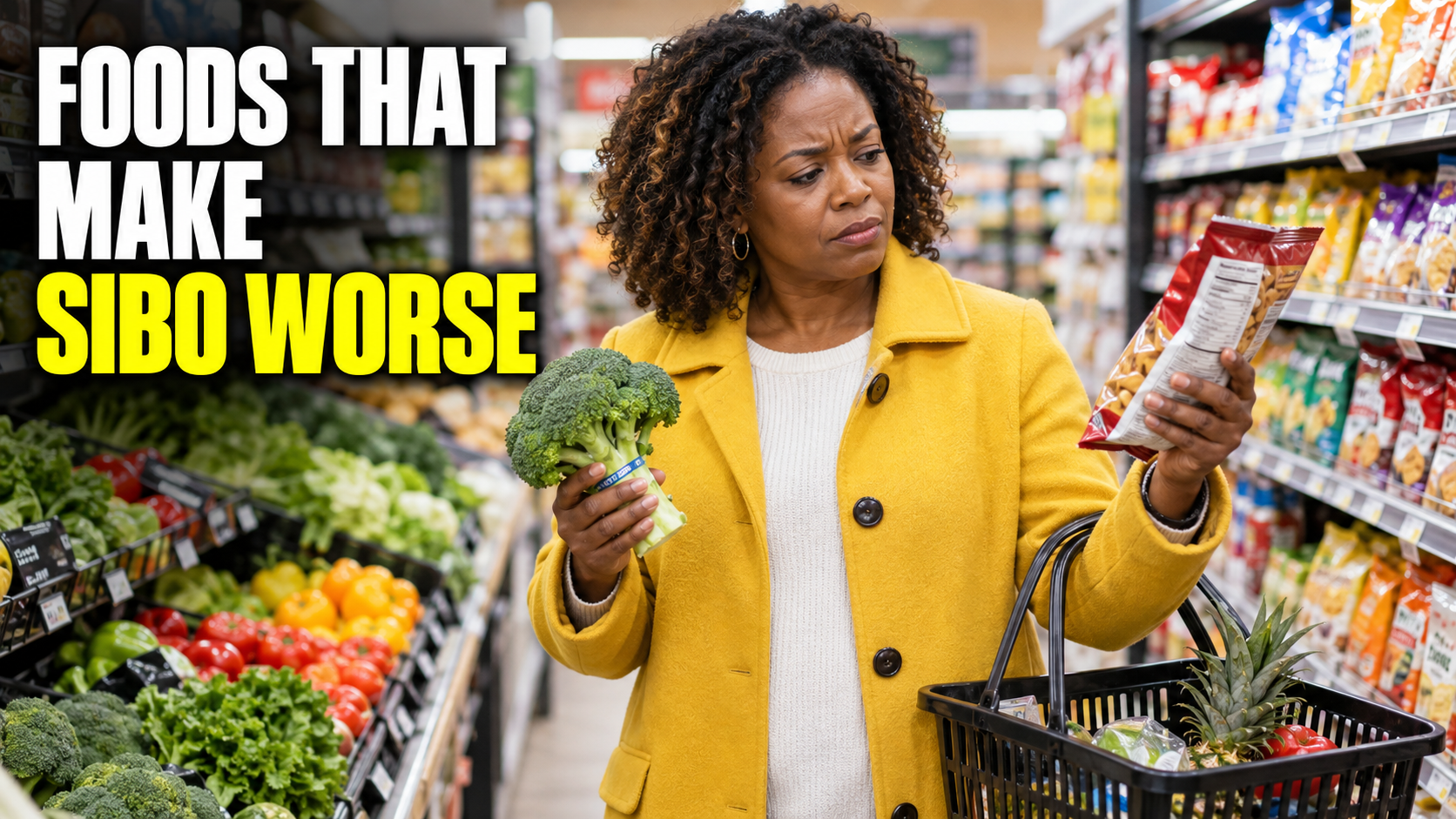
Dr. J’s quick answer: There is no universal list of “bad” foods for everyone with SIBO. Fermentable carbohydrates can worsen symptoms for some people, but long-term unnecessary restriction can reduce diet quality, so I use the least restrictive plan that works.
If you’ve been struggling with persistent bloating, gas, or abdominal discomfort, SIBO is one possibility—not the automatic answer. Constipation, lactose intolerance, celiac disease, irritable bowel syndrome, medication effects, and other conditions can cause similar symptoms.
SIBO involves excessive microorganisms in the small intestine. Breath testing measures hydrogen and methane patterns that may support the diagnosis when interpreted with the clinical history.
But here’s the confusing part: many “healthy” foods can actually make SIBO worse.
In this article, I’ll explain how otherwise nutritious foods can temporarily aggravate symptoms—and how to avoid turning symptom control into permanent over-restriction.
Join GUT RESTORATION COMMUNITY
Food intolerance is not the same as food allergy
A true food allergy is an immune reaction that should be evaluated appropriately, especially when symptoms include hives, swelling, wheezing, vomiting, or fainting. Food intolerance may cause digestive symptoms without being an allergy. SIBO can also make certain fermentable carbohydrates harder to tolerate for a period of time.
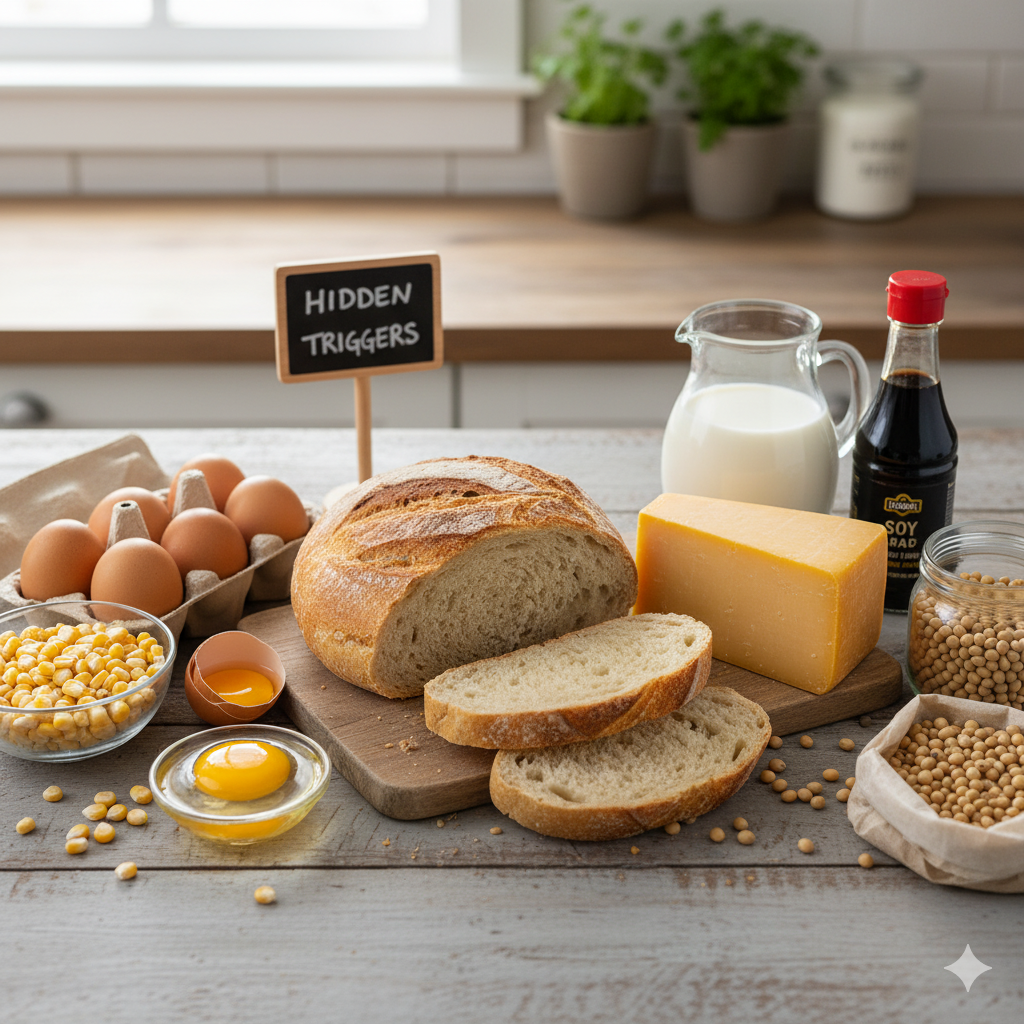
Commercial IgG panels do not reliably diagnose “hidden food allergies.” When I suspect a food is contributing, I use a careful history and, when appropriate, a short elimination followed by planned reintroduction. Suspected celiac disease should be tested before removing gluten, and suspected true allergy belongs with an allergy professional.
The goal is not to build the longest possible avoidance list. It is to identify the smallest number of changes that meaningfully reduce symptoms while preserving calories, protein, fiber, micronutrients, and enjoyment of food.
What Foods Make SIBO Worse? List Based On Category
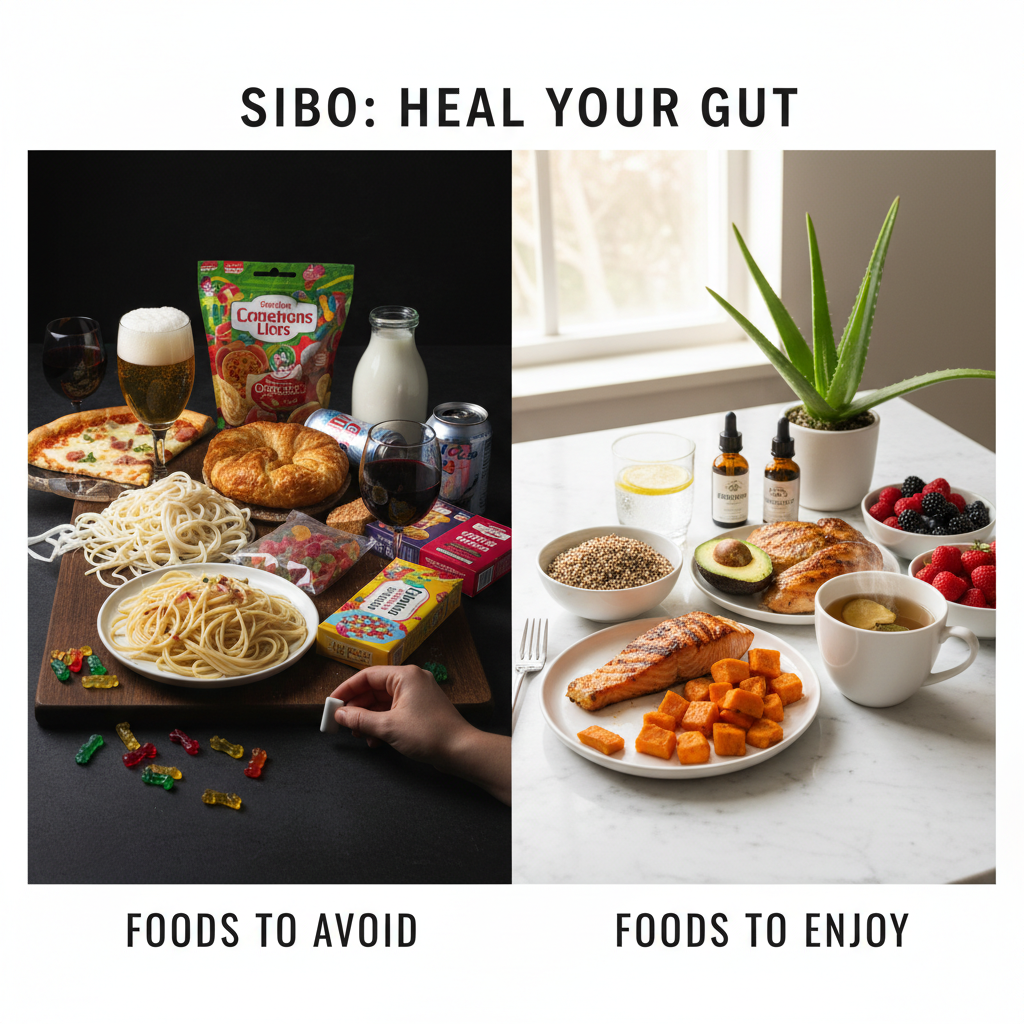
1. Fermented Foods
Fermented foods such as sauerkraut, kimchi, yogurt, kefir, and kombucha are tolerated differently. Live cultures are not automatically the same organisms involved in SIBO, but sugar, lactose, carbonation, histamine, or fermentable ingredients may aggravate symptoms.
Foods to trial cautiously if they trigger symptoms:
- Yogurt, kefir
- Kombucha
- Fermented pickles, miso or other fermented foods for now
If these foods are removed temporarily, reintroduce them one at a time when symptoms are stable. They are optional foods—not required to “rebuild” the microbiome.
2. Sugar and Refined Carbs
Simple sugars are the bacteria’s favorite food.
Avoid:
- Candy, soda, desserts
- White bread, pasta, pastries and all refined carbohydrates
- Fruit juices and sweetened drinks
Why: These foods break down quickly and feed bacteria before your small intestine can move them along.
Better alternatives:
- Whole fruits and vegetables.
- Complex carbs like quinoa, oats, and sweet potatoes
3. Alcohol
Even small amounts of alcohol can disrupt the gut microbiome and slow the movement of food through the intestines — two big problems for anyone with SIBO.
Avoid:
- Beer and wine (both high in sugars)
- Cocktails and sweet mixers
If you must drink: Choose a small amount of clear spirits like vodka with sparkling water — but it’s best to take a full break during healing.
4. Dairy, gluten grains, and Processed Foods
Dairy may worsen symptoms when lactose is poorly tolerated. Gluten-containing grains should not be blamed automatically; wheat also contains fermentable fructans, and celiac disease is a separate diagnosis. Processed foods vary widely, so I focus on the actual ingredients and the person’s response.
Avoid:
- Milk, soft cheese, ice cream
- Processed meats, packaged snacks, and sauces
Better options:
- Coconut or almond milk
- Whole, unprocessed foods prepared at home
5. Artificial Sweeteners
Sugar-free doesn’t mean gut-friendly. Many artificial sweeteners like sorbitol, xylitol, erythritol and maltitol are fermentable and can make bloating worse.
Avoid:
- Sugar-free gum
- Protein bars or “diet” snacks
- Sweeteners ending in “-ol”
Better options:
- Stevia or monk fruit in small amounts ( make sure these options are 100% with no other sweetners added)
Healing Your Gut: What to Focus On Instead
Once you remove these bacterial-feeding foods, focus on healing your gut lining and restoring balance in your gut.
Include:
- Easily digestible proteins (fish, eggs, chicken or turkey)
- Healthy fats (olive oil, avocado cold water fish)
- Herbal teas like ginger, peppermint, or chamomile to soothe digestion
Most importantly, look for documented contributing factors such as impaired motility, anatomy, prior surgery, or medication effects. Recurrence can occur even with good care. Antibiotics are addressed in clinical guidelines; evidence for herbal antimicrobial combinations is limited, products vary, and they can cause adverse effects or interact with medication.
Key Takeaway
If you have SIBO, the goal isn’t to starve yourself — it’s to starve the bacteria, not your body. By personalizing your diet and avoiding fermentable, sugary, and processed foods, you can reduce bacterial overgrowth, relieve symptoms, and finally start healing your gut from the inside out.
Your gut has an incredible ability to restore balance — give it the right environment, and it will do the rest.
Dr. J’s evidence-based perspective
In my clinical work, I treat symptoms as clues—not proof of a diagnosis. I listen to the full history, look for common and serious alternatives, and use testing when it can change the plan. I also avoid turning a short-term symptom diet into a permanent list of forbidden foods.
When to seek medical care
Contact a clinician promptly for blood in the stool, black stool, persistent vomiting, fever, dehydration, anemia, progressive trouble swallowing, severe abdominal pain, or unintentional weight loss. These are not symptoms to manage with diet or supplements alone.