
SIBO
Fasting for SIBO: What We Know About Meal Spacing
Written by Dr. James Krystosik · Published June 20, 2025 · Updated September 23, 2026
Functional Medicine Physician, Chiropractor, Author, Podcast Host · In practice since 1986
Dr. J’s quick answer: Meal spacing may help some people manage symptoms, but fasting is not a proven stand-alone cure for SIBO. I do not recommend prolonged fasting without supervision, especially during pregnancy, with diabetes, eating disorders, or unintended weight loss.
Are you struggling with bloating, gas, abdominal discomfort, or irregular bowel movements—and your doctor keeps telling you “everything looks normal”—you may be suffering from SIBO, or Small Intestinal Bacterial Overgrowth.
It’s a condition I’ve seen confused with other digestive problems during my years in practice. Improvement is possible, but no responsible clinician should guarantee a permanent cure. Meal spacing may be useful for selected patients; prolonged fasting is not automatically safe or necessary.
Can Fasting Work for SIBO?
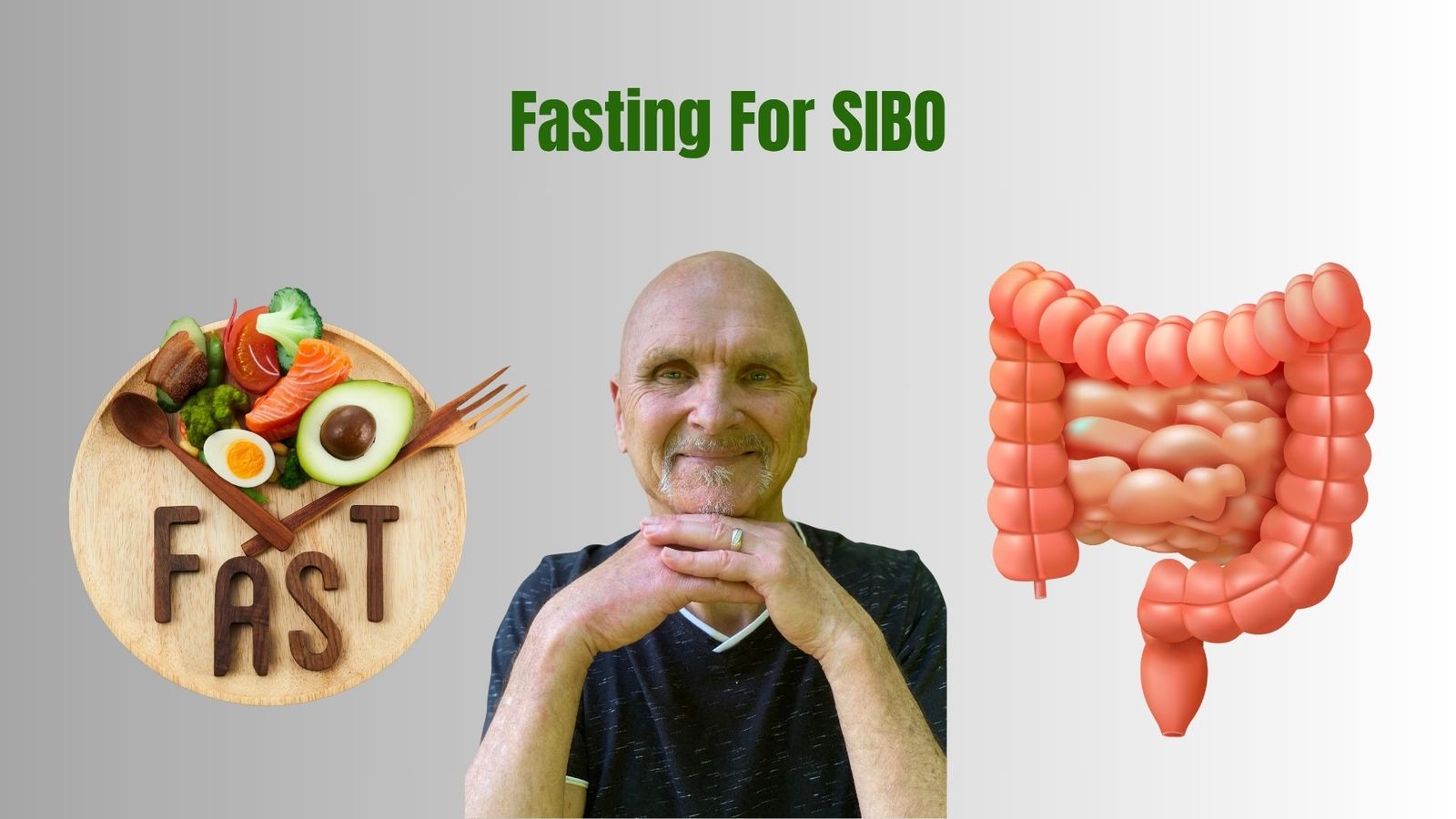
Whole grains, fruits, and legumes can increase symptoms in some people because certain carbohydrates are fermented. That does not make these foods unhealthy, and tolerance varies. Antibiotics are among the options discussed in clinical guidelines; recurrence can occur, which is why underlying contributors and nutrition also matter.
The Functional Medicine Approach: Ask WHY, Not Just WHAT
Good care asks both what the diagnosis is and what factors may contribute. SIBO can be associated with altered motility, anatomy, prior surgery, or certain medical conditions, but not every patient has one identifiable upstream cause.
- Low stomach acid (often from acid blockers or aging)
- Poor gut motility (things just aren’t moving like they should)
- High-refined carb, high-sugar diets (especially “carbs from hell”)
- Chronic stress, which disrupts digestion
- Antibiotic use, which wipes out beneficial bacteria
The goal is to treat a confirmed condition while protecting nutrition and addressing contributing factors. Meal spacing is one possible symptom-management strategy, but evidence does not establish intermittent fasting as a SIBO cure.
Fasting: Giving the Gut a Much-Needed Rest
Fasting is not starvation. It’s a time to reboot the body. Just like your muscles need rest between workouts, your digestive system needs breaks between meals. But in our culture of grazing, snacking, and late-night eating, the gut rarely gets a moment for R and R.
The migrating motor complex (MMC) is active mainly between meals, but it is inaccurate to say ordinary snacking completely shuts it down or inevitably causes SIBO. Motility is only one part of a complex condition.
Leaving a few hours between meals may be reasonable for some adults, but a 16/8 schedule has not been proven to flush harmful bacteria from the small intestine. I choose meal timing based on nutritional status, medications, glucose control, sleep, and the patient’s relationship with food.
How Fasting Can Reset a Healthy Gut Environment?
Here’s how fasting helps reclaim gut health in SIBO patients:
- May reduce short-term symptoms: Less food entering the gut may temporarily reduce fermentation and bloating, but fasting does not selectively starve only unwanted organisms or eradicate SIBO.
- Restores MMC Function: Long breaks between meals allow the wavelike motion of the intestines to clear out any unwanted bugs.
- Lowers Inflammation: Fasting reduces inflammatory markers like CRP and IL-6, which enables your body to repair the lining of the gut.
- Promotes Gut Repair: When you’re not digesting food, your body can shift into its repair mode, and repair the walls of the intestines to restore the integrity of the gut.
- Balances Insulin and Blood Sugar: This is important because insulin resistance—often driven by refined carbohydrates—can weaken the function of the digestive tract and feed the harmful bacteria living in the gut.
But Dr. J, Isn’t Fasting Hard?
Not if you do it right.
If the thought of skipping breakfast makes you hungry, consider starting with my modified fast. This involves using my Superfood Power Drink—a blend of nutrient-dense superfoods like spirulina, chlorella, and other plant-based antioxidants—in place of breakfast. It nourishes the body while still allowing gut rest. This liquid form digests quickly, offering many of the benefits of a true fast while keeping you energized.
Many of my patients with SIBO report feeling less bloated, more mentally alert, and more energized within the first week of incorporating intermittent fasting into their daily routine.
A Word About “Carbs from Heaven” and “Carbs from Hell”
If you’re dealing with SIBO, the type of carbs you consume matters. A lot.
Carbs from Hell—refined sugars, white flour, sugary cereals, sodas—are like throwing gasoline on the SIBO fire. These junk carbs ferment rapidly in the small intestine and feed the harmful bacteria and fostering an overgrowth of harmful bacteria.
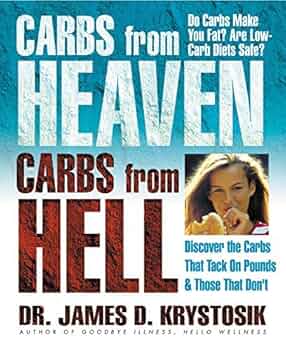
Carbs from Heaven—low-glycemic fruits (like berries), cooked vegetables, and sprouted legumes—introduced slowly can be restorative.
During the initial SIBO recovery phase, I recommend introducing “Carbs from Heaven”, including fermented food, into the diet slowly. Add small amounts of cooked grains or fermented foods into each meal.
Increase the quantity gradually as long as no bloating or gas. Once symptoms calm down and fasting has restored rhythm to the digestive system, gradually and slowly increase the quantity of these nutrient-rich plant foods.
Dr. J’s Gut-Reset Fasting Plan for SIBO
I no longer present one fasting schedule as a universal SIBO protocol. A safer framework is:
- Eat enough food and protein across the day to meet nutritional needs.
- Avoid continuous grazing if it clearly worsens symptoms, while keeping a meal schedule that is medically safe.
- Do not replace prescribed care with a branded drink, supplement, or herbal antimicrobial.
- Reintroduce tolerated plant foods gradually after any short-term restriction.
- Stop and seek advice if fasting causes dizziness, weakness, binge eating, glucose problems, unintended weight loss, or worsening symptoms.
Join GUT RESTORATION COMMUNITY
Final Thoughts: The Natural Way Is the Sustainable Way
Fasting should not be sold as a universal alternative to antibiotics or another indicated treatment. It may suit some people as a meal-timing preference, while others need regular meals for safety, nutrition, or symptom control.
If you’re tired of being tired, bloated, and confused, remember this: You were created to be well. Your body is not broken—it’s just out of balance. With the right tools—like fasting, proper nutrition, and support—you can say goodbye to illness and hello to wellness.
Stay encouraged, stay informed, and take charge of your health—naturally.
Stick with us to heal your gut and fuel your health.
Dr. J’s evidence-based perspective
In my clinical work, I treat symptoms as clues—not proof of a diagnosis. I listen to the full history, look for common and serious alternatives, and use testing when it can change the plan. I also avoid turning a short-term symptom diet into a permanent list of forbidden foods.
When to seek medical care
Contact a clinician promptly for blood in the stool, black stool, persistent vomiting, fever, dehydration, anemia, progressive trouble swallowing, severe abdominal pain, or unintentional weight loss. These are not symptoms to manage with diet or supplements alone.