
SIBO
Does SIBO Cause Constipation? What I Look For
Written by Dr. James Krystosik · Published April 22, 2025 · Updated September 23, 2026
Functional Medicine Physician, Chiropractor, Author, Podcast Host · In practice since 1986

Dr. J’s quick answer: Constipation is particularly associated with methane detected on breath testing—often called intestinal methanogen overgrowth rather than bacterial overgrowth alone. I confirm the pattern and rule out other causes before building a treatment plan.
As a functional medicine physician, I’ve had countless patients ask me, “Does SIBO Cause Constipation?” From my clinical experience, the answer is yes, and it’s more common than people think. While SIBO is often associated with bloating or diarrhea, many of my patients struggle primarily with constipation.
This happens when methane-producing bacteria in the small intestine disrupt normal digestion and slow bowel movements. Unfortunately, many cases go undiagnosed or misdiagnosed for years.
By understanding when methane production may be associated with constipation, I can choose a more focused evaluation. That does not guarantee one permanent solution, because constipation often has more than one contributor.
Can SIBO Cause Constipation?
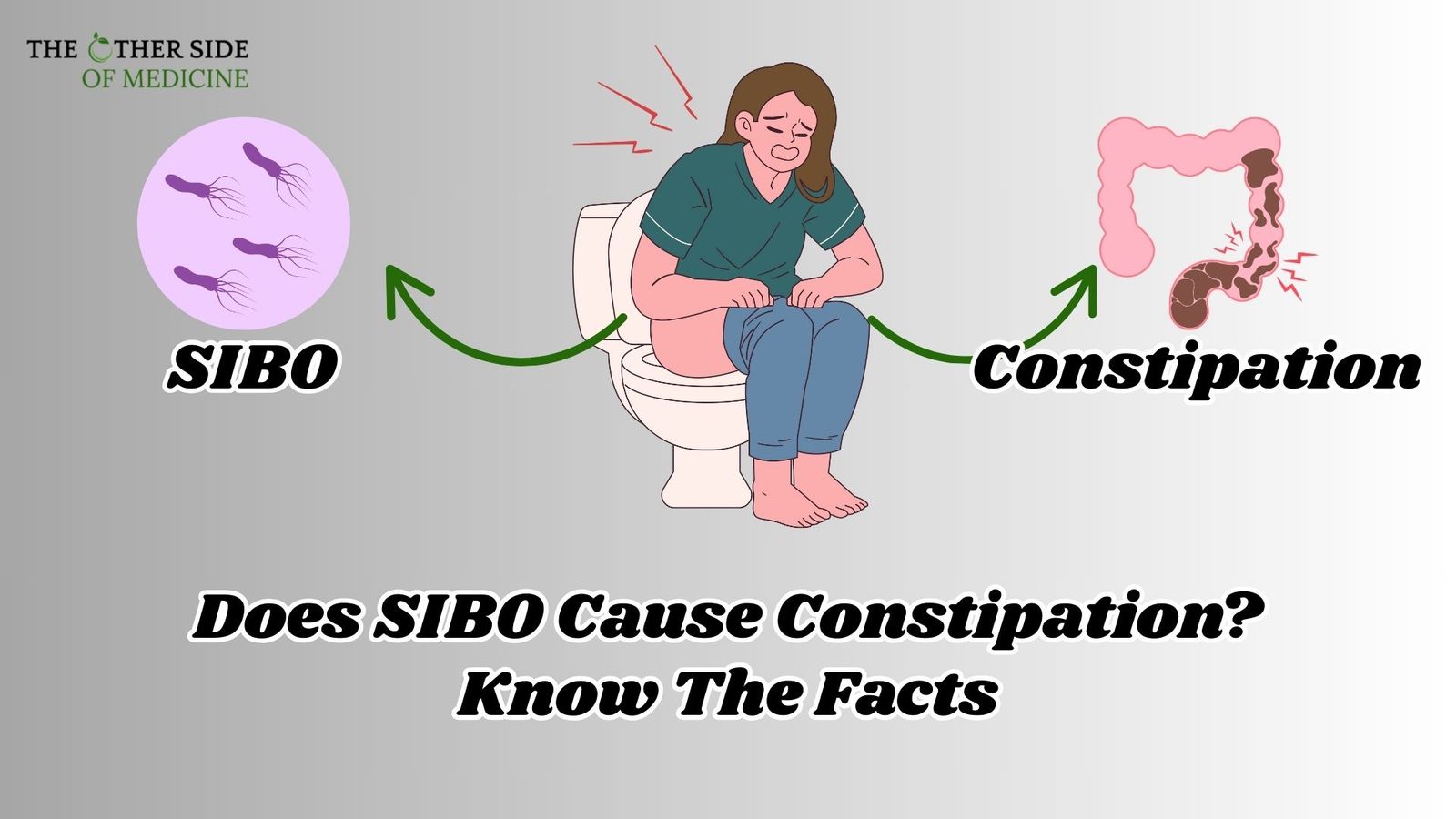
Small Intestinal Bacterial Overgrowth (SIBO) can cause constipation, especially in methane-dominant cases. The presence of microorganisms called archaea in the small intestine is a common clinical finding in SIBO. Archaea slow intestinal motility, making it difficult for stool to pass through the digestive tract.
This condition, also known as methane-dominant SIBO, is often overlooked in conventional diagnostics. Consequently, the gut’s natural peristalsis (wave-like motion) weakens, leading to persistent, hard-to-treat chronic constipation.
How Does SIBO Cause Constipation?
If you are suffering from SIBO-related constipation, you might like to know how SIBO can cause this issue in your health.
Excess Methane Gas Slows Motility
In methane-dominant SIBO, archaea produce methane gas, which slows down the wave-like contractions (peristalsis) of your intestines. This sluggish movement leads to:
- Hard, dry stools that are difficult to pass
- Infrequent bowel movements, sometimes just 1–2 times per week
- A feeling of incomplete evacuation after bowel movements
Disrupted Gut-Brain Communication
Your digestive system is closely connected to your brain through the vagus nerve. When bacterial overgrowth triggers inflammation in the gut, it disrupts signals to the brain. The result is:
- Reduced signaling to trigger bowel movements
- Erratic motility patterns, alternating between constipation and diarrhea
The Connection Between Nutrient Deficiencies and Muscle Function
SIBO can interfere with nutrient absorption, especially magnesium and B vitamins, which are vital for muscle contraction and relaxation. Low levels of these nutrients:
- Weakened bowel muscle tone
- Make peristalsis less effective
How to Determine if Your Constipation is Caused by SIBO?
Attempting to treat SIBO with fiber supplements or laxatives will provide little to no real improvement. That’s because constipation triggered by SIBO is rooted in microbial imbalance, not just poor diet or hydration.
Here’s what to watch for:
- Constipation doesn’t improve with standard remedies: Fiber, probiotics, and stool softeners fail to bring long-term relief.
- Bloating even without eating: Persistent bloating throughout the day, often worse after meals.
- Excessive gas and burping: Especially in the absence of common trigger foods.
- A heavy, sluggish feeling in the gut: The “feeling” that food is sitting undigested in the gut for hours.
- Brain fog and fatigue: Often associated with digestive discomfort.
One of the primary diagnostic tests I order when SIBO is suspected is the non-invasive SIBO breath test. I employ this test to confirm the presence of methane-producing microbes like archaea.
Common Symptoms of Methane-Dominant SIBO
In my clinical experience, patients with methane SIBO often report a consistent cluster of symptoms:
- Severe or frequent constipation: One or more days without a bowel movement.
- Abdominal bloating and fullness: Even when meals are small and healthy choices are made.
- Dry, hard stools: Requiring straining, leading to hemorrhoids or fissures.
- Persistent gas and belching: A result of fermenting carbs and dysbiosis.
- Nausea after eating: Caused by slowed stomach emptying.
- Fatigue: Digestive symptoms, restrictive eating, poor sleep, or nutrient deficiencies may contribute, but fatigue has many possible causes.
- Weight change: Bloating and constipation can change abdominal size and scale weight temporarily; unexplained fat gain or weight loss needs a broader evaluation.
These symptoms aren’t random digestive complaints. They’re clear indicators of gut microbial imbalance that must be treated properly.
Why Conventional Treatments Don’t Work Long-Term?
Many patients come to me after trying over-the-counter or prescription constipation treatments with incomplete relief. That does not mean those treatments are wrong; it means the diagnosis, dose, adherence, pelvic-floor function, diet, medication list, and possible methane overgrowth may need review.
Why Fiber and Laxatives Fall Short?
- Fiber can feed the wrong bacteria, worsening bloating.
- Laxatives may force bowel movements but create dependency.
- Antibiotics like rifaximin may help temporarily, but don’t restore gut flora balance or motility.
This is why I emphasize a functional medicine approach to SIBO and constipation — it’s not about suppressing symptoms, it’s about creating long-lasting relief of symptoms.
Functional Medicine Approach to SIBO & Constipation
Here’s how I treat SIBO-related constipation:
- Appropriate testing: I begin with history, medication review, and evaluation for common causes of constipation. Breath testing may help when the symptoms and risk factors support suspected SIBO or intestinal methanogen overgrowth; routine stool microbiome panels do not diagnose SIBO.
- Treatment choices: Prescription and botanical products can both cause side effects and interactions. I discuss the guideline-supported options and do not treat homeopathy as an antimicrobial substitute.
- Personalized nutrition: I use a food-and-symptom history and, when appropriate, a structured elimination and reintroduction plan. Commercial IgG food panels are not recommended as a stand-alone diagnosis of food allergy or intolerance.
- Motility support: Hydration, dietary fiber when tolerated, physical activity, bowel habits, and treatment of underlying causes come first. Any prokinetic medication or supplement should be individualized.
- Repair the Gut Lining: With supplements like aloe vera gel, zinc carnosine, and collagen, we rebuild the gut barrier to reduce inflammation and support long-term function.
- Fermented foods: These are optional, not a SIBO treatment. Some patients tolerate small servings; others experience more gas, bloating, reflux, or diarrhea. I introduce one food at a time only when it adds nutritional variety without worsening symptoms.
This natural, step-by-step protocol is designed for lasting relief.
When to Seek Help? My Clinical Experience with SIBO-Related Constipation
If you’ve been struggling with constipation that doesn’t respond to diet or medication, and you’re also experiencing bloating, fatigue, and food sensitivities, it’s time to test for SIBO.
I’ve helped many hundreds of patients reclaim their digestion and energy by identifying methane-dominant SIBO as the hidden culprit. Early intervention can prevent complications and avoid the trap of long-term laxative or medication use.
Ready to Address the Root Cause?
If persistent constipation is affecting your life, an evaluation can help identify what is contributing and which options are appropriate. I offer a telehealth consultation to discuss whether my practice is a suitable fit; this does not replace urgent or emergency care.
Dr. J’s evidence-based perspective
In my clinical work, I treat symptoms as clues—not proof of a diagnosis. I listen to the full history, look for common and serious alternatives, and use testing when it can change the plan. I also avoid turning a short-term symptom diet into a permanent list of forbidden foods.
When to seek medical care
Contact a clinician promptly for blood in the stool, black stool, persistent vomiting, fever, dehydration, anemia, progressive trouble swallowing, severe abdominal pain, or unintentional weight loss. These are not symptoms to manage with diet or supplements alone.