
SIBO
Can SIBO Cause Acid Reflux? What I Evaluate
Written by Dr. James Krystosik · Published May 30, 2025 · Updated September 23, 2026
Functional Medicine Physician, Chiropractor, Author, Podcast Host · In practice since 1986
Dr. J’s quick answer: SIBO may contribute to bloating and abdominal pressure that can worsen reflux symptoms in some people, but it is not the only explanation. I evaluate reflux on its own merits and test for SIBO only when the history supports it.
When it comes to digestive distress, few things are as frustrating or as commonly misunderstood as acid reflux. Millions of Americans pop antacids like candy, assuming their problem is simply “too much stomach acid.”
Reflux occurs when stomach contents move into the esophagus. It is not accurate to tell every patient that low stomach acid is the real cause. SIBO may coexist with reflux or contribute to bloating in some patients, but it is one possibility among many.
The Gut-Acid Reflux Connection
In my clinical practice, I have seen reflux symptoms overlap with bloating, belching, and altered bowel habits. That overlap prompts a broader history; it does not establish low stomach acid or SIBO without further evaluation.
How SIBO Triggers Reflux?
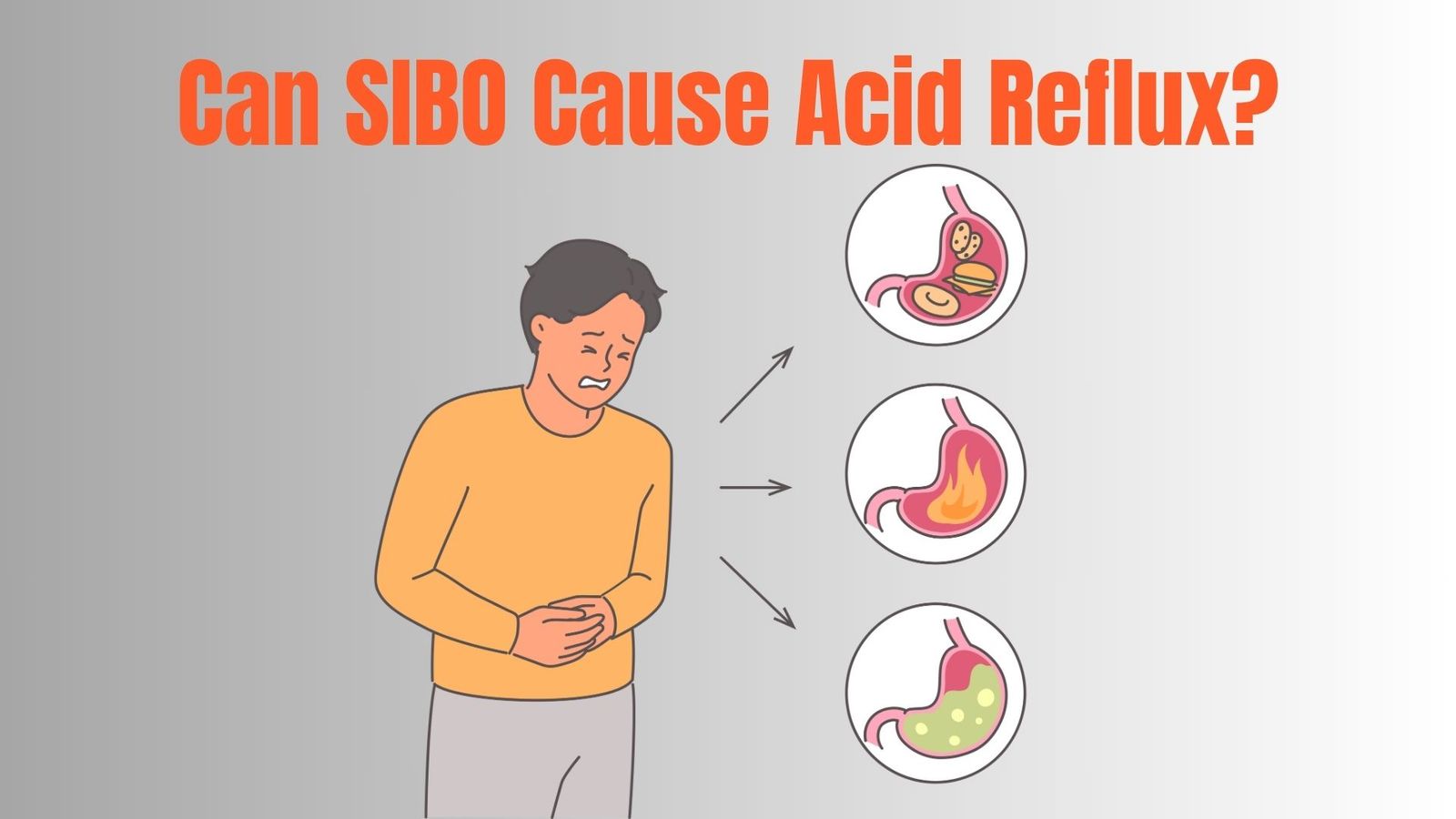
The relation between reflux and SIBO is here.
Gas Pressure from Fermentation
Bacteria in the small intestine ferment undigested carbohydrates, especially the “carbs from hell” like white bread, soda, and sugary snacks. This fermentation process creates gas, which increases intra-abdominal pressure.
That pressure can force open the lower esophageal sphincter (LES), the valve that separates your stomach from your esophagus, allowing acid to escape upward.
Delayed Gastric Emptying
Some disorders that affect motility can increase risk for both SIBO and reflux-like symptoms. SIBO itself should not be assumed to cause delayed stomach emptying.
Bile Dysfunction
Bile reflux and gallbladder problems are separate clinical questions. A history of gallbladder surgery may change digestion, but it does not prove SIBO or inadequate bile flow.
Misdiagnosis: When the Symptoms Lie
GERD is a recognized condition with established diagnostic and treatment approaches. Proton-pump inhibitors (PPIs) are effective and appropriate for many patients. Long-term use should be periodically reviewed for indication, dose, benefits, and potential risks, but patients should not stop a prescribed PPI because an article tells them SIBO is the “real” cause.
Real Healing Begins in the Gut
So, what’s the answer? You need to fix the bacterial imbalance at the root of the issue, not just mask the symptoms. Here’s what I recommend:
The right questions need to be asked
If reflux occurs with significant bloating or altered bowel habits, a questionnaire can organize the history. It cannot diagnose SIBO. Breath testing may be considered when the clinical picture supports it.
Starve the Bad Guys
Reduce foods or drinks that clearly trigger reflux, which may include alcohol, large high-fat meals, or late-night eating. High-fiber foods are valuable for many people, but legumes and some vegetables may temporarily worsen bloating, so portions should be individualized.
Support Digestive Fire
Do not self-treat reflux with betaine HCl or large amounts of vinegar. Acidifying products may worsen esophageal irritation, ulcers, or medication-related injury. Suspected low stomach acid requires a clinical assessment rather than a home experiment.
Rebuild the Gut
Probiotics, digestive enzymes, aloe, and slippery elm are not established treatments for GERD or SIBO as a group. Each product has different evidence and risks; I use supplements selectively rather than as an automatic “gut repair” bundle.
Address Stress and Toxins
Stress and meal patterns can influence symptoms. “Detoxification” and broad allergy-free diets are not routine reflux treatment. Suspected food allergy should be evaluated appropriately, and unnecessary restriction can create nutritional problems.
The Functional Medicine Edge
Symptom relief and cause-focused evaluation are not opposites. Good care uses both. SIBO should not be presented as the routine upstream cause of reflux, fatigue, or autoimmune disease, and treating it cannot guarantee that those symptoms will disappear.
If you’re tired of the antacid merry-go-round and ready to heal, not just cope, look deeper. Trust your gut… and fix it.
Join GUT RESTORATION COMMUNITY
Final Thoughts
If reflux persists despite treatment, return to the clinician to confirm the diagnosis, adherence, dose and timing, and whether further testing is needed. SIBO may be investigated when compatible digestive symptoms and risk factors are present, but it should not be the default explanation.
Dr. J’s evidence-based perspective
In my clinical work, I treat symptoms as clues—not proof of a diagnosis. I listen to the full history, look for common and serious alternatives, and use testing when it can change the plan. I also avoid turning a short-term symptom diet into a permanent list of forbidden foods.
When to seek medical care
Contact a clinician promptly for blood in the stool, black stool, persistent vomiting, fever, dehydration, anemia, progressive trouble swallowing, severe abdominal pain, or unintentional weight loss. These are not symptoms to manage with diet or supplements alone.